When considering the best heating solution for new homes, several factors come into play, including efficiency, cost-effectiveness, environmental impact, comfort, and the specific needs of the homeowners. Here are some of the top heating options to consider:
Heat pumps: Heat pumps are highly efficient heating systems that extract heat from the air, ground, or water sources and transfer it into the home. They can provide both heating and cooling, making them versatile. Heat pumps are known for their energy efficiency, as they use electricity to move heat rather than generating it directly. They work well in moderate climates and can significantly reduce energy consumption and costs.
Radiant floor heating: This system involves installing pipes or electric heating elements beneath the floor, which radiate heat upward, warming the room from the ground up. Radiant floor heating offers even heat distribution, eliminates the need for visible heating units, and provides excellent comfort. It can be powered by various energy sources, such as gas, electricity, or geothermal heat pumps.
Geothermal heating: Geothermal heat pumps utilize the constant temperature of the earth to heat and cool homes. They circulate a fluid through underground pipes, absorbing heat during the winter and dissipating it in the summer. Geothermal systems are highly efficient and environmentally friendly, but they can be expensive to install due to the need for drilling or digging.
High-efficiency gas furnaces: Gas furnaces are a popular choice due to their reliability and widespread availability of natural gas. High-efficiency models use condensing technology to extract more heat from the combustion process, reducing energy waste. They provide fast and effective heating, particularly in colder climates. It's important to ensure proper installation and regular maintenance to maximize safety and efficiency.
Solar heating systems: Solar heating utilizes the sun's energy to provide heat through solar panels or solar thermal collectors. These systems can be combined with radiant floor heating or other distribution methods. Solar heating is environmentally friendly and can significantly reduce energy costs over time. However, the effectiveness depends on the amount of sunlight available in the area.
It's essential to consider factors such as the climate, energy costs, availability of energy sources, upfront and long-term costs, and personal preferences when choosing the best heating solution for a new home. Consulting with HVAC professionals and considering energy efficiency ratings and environmental impact can help in making an informed decision.
Nestled in the heart of England, Cheshire is a county that exudes charm and offers a remarkable quality of life. With its picturesque countryside, historic towns, and vibrant communities, Cheshire attracts residents seeking a harmonious blend of natural beauty and modern amenities. In this blog post, we will explore the benefits of living in Cheshire, from its idyllic landscapes and cultural heritage to its thriving economy and excellent educational opportunities.
Captivating Countryside: Cheshire boasts an enchanting countryside that beckons nature lovers and outdoor enthusiasts. The county is dotted with stunning landscapes, including the rolling hills of the Peak District, the tranquil Cheshire Plains, and the meandering River Dee. With numerous parks, nature reserves, and walking trails, Cheshire offers endless opportunities for hiking, cycling, and exploring the great outdoors.
Historic Towns and Cultural Heritage: Rich in history and architectural splendor, Cheshire is home to charming towns and villages that have preserved their heritage. Chester, the county's capital, is renowned for its well-preserved Roman walls, magnificent cathedral, and medieval Rows, offering a unique shopping experience. Other historic gems, such as Nantwich, Knutsford, and Macclesfield, boast picturesque streets, traditional markets, and fascinating local history, creating a sense of timeless beauty and community.
Excellent Transport Links: Living in Cheshire provides convenient access to major cities and transportation networks. The county's strategic location places it within easy reach of Manchester, Liverpool, and their respective international airports. Cheshire's well-connected rail and road networks make commuting and traveling a breeze, ensuring residents can effortlessly explore nearby attractions or commute to neighboring regions for work.
Thriving Economy and Employment Opportunities: Cheshire has a diverse and robust economy, offering a wide range of job opportunities. The county is home to thriving industries such as advanced manufacturing, pharmaceuticals, and information technology. Companies like Bentley, Airbus, and AstraZeneca have established a presence in Cheshire, contributing to a strong job market and career prospects. Additionally, the proximity to major cities like Manchester and Liverpool expands employment options for Cheshire residents.
Education and Learning: Families in Cheshire benefit from excellent educational opportunities. The county boasts reputable schools, including state and independent institutions, renowned for their academic standards and extracurricular activities. Cheshire also hosts esteemed universities, such as the University of Chester, offering a wide range of courses and contributing to a vibrant student community.
Cultural and Recreational Amenities: Cheshire embraces a rich cultural scene and an abundance of recreational amenities. The county hosts numerous festivals, art exhibitions, and live performances, catering to various interests. From visiting historic stately homes and gardens to enjoying fine dining experiences and boutique shopping, residents of Cheshire can indulge in a plethora of cultural and leisurely pursuits.
Strong Sense of Community: Cheshire is known for its friendly communities and strong sense of belonging. Whether residing in a small village or a bustling town, residents often find a welcoming and inclusive atmosphere. Community events, local clubs, and volunteer opportunities provide ample chances to connect with neighbours and foster lasting relationships, enhancing the overall quality of life.
Living in Cheshire offers a harmonious blend of natural beauty, rich heritage, economic prosperity, and a strong sense of community. The county's captivating countryside, historic towns, excellent transport links, diverse economy, top-tier education, cultural amenities, and welcoming communities make Cheshire an ideal place to call home. Whether you seek a peaceful retreat or vibrant city experiences within reach, Cheshire provides a balanced and fulfilling lifestyle for its residents.
What firts time buyers should check before buying a house
Buying a house for the first time can be an exciting but daunting experience. There are many factors to consider before making a final decision. Here are some of the things that first-time buyers should check before buying a house:
Affordability: Before you begin house hunting, it's important to determine how much you can afford to spend on a house. This includes not only the cost of the house but also ongoing expenses such as property taxes, utilities, and maintenance costs.
Location: Location is an important factor to consider when buying a house. Consider factors such as proximity to work, schools, shopping, and other amenities. Also, consider the safety and crime rate of the neighborhood.
Condition of the house: Before making an offer on a house, it's important to have it inspected by a professional. The inspection will reveal any issues with the house, such as structural problems, electrical or plumbing issues, or the presence of mold or pests.
Size and layout: Consider the size and layout of the house, and whether it will meet your current and future needs. Will it accommodate your family size and lifestyle? Does it have enough storage space and room to grow?
Resale value: While you may not be thinking about selling the house before you even buy it, it's important to consider the resale value of the house. Look at the recent sales in the area and consider how the house compares in terms of size, condition, and location.
Financing options: Consider your financing options, including mortgage rates and terms, down payment requirements, and closing costs. Work with a mortgage lender to determine the best financing options for your needs.
Homeowner association rules: If the house is part of a homeowner association, it's important to review the rules and regulations. This includes restrictions on the use of the property, maintenance requirements, and fees.
In conclusion, buying a house for the first time can be an exciting and overwhelming experience. By checking factors such as affordability, location, condition of the house, size and layout, resale value, financing options, and homeowner association rules, you can make an informed decision and find the right house for your needs and budget. Working with a qualified real estate agent can also help guide you through the process and provide valuable advice and expertise.
Unlocking the value of your home doesn't have to be complicated - if you make the right moves, you can add worth without breaking the bank.
Take your home up a notch with creative ideas like extending the living space, installing an eye-catching modern kitchen and refreshing its exterior appeal. Your house can be revitalised in no time!
By taking on projects that are fast and simple, you'll be able to give your interior a quick makeover with immediate results. If you're looking for more substantial changes, consider investing in extensions – they can not only boost curb appeal but also increase the value of your home when it comes time to sell!
While you may be tempted to do large scale project don’t forget the smaller things can also add value too.
How to Add Value to Your Home by Decorating
Decorating is perhaps the most obvious task when thinking about how to add value to your home.
Even though minor blemishes may not decrease the value of a home, they can be enough to drive away potential buyers and make it difficult for owners to get top dollar.
These typical defects will put many buyers off, but are easily resolved by any competent DIYer:
Peeling paint
Squeaking or sticking doors and windows
Door latches that don’t work
Mouldy sealants in kitchen and bathroom
Dripping taps
Loose tiles
Sewer smells
Broken or damaged windows
Squeaky floors and stairs
Cracks to ceilings and plasterwork
Lifting flooring
Add an Extra Bedroom
When it comes to increasing the value of your home, adding an additional bedroom is a smart move. Not only will this create more usable space in your property - providing potential buyers with greater flexibility and choice – but also adds appeal for both young families and couples looking to downsize alike.
Having more bedrooms in a property is usually seen as beneficial by potential buyers since it can add considerable value. However, there are limits to this depending on the location of your home - once you hit that limit, additional rooms won't give much bang for their buck!
Extra bedrooms can be created by dividing up existing space by removing and adding walls, by converting the loft or cellar, or by extending.
Re-purposing an existing room is a great way to freshen up your home without spending too much. Older homes with large bedrooms are the perfect candidates for this eco-friendly transformation!
Make sure you create a balance between bedrooms and the number of bathrooms a ratio of one to three is a minimum.
Kitchen Makeovers That Add Value
Having an attractive, spotless kitchen is a must-have for both potential buyers and home appraisers. Before replacing the entire set up in your cooking space, take into account its shape, position and then decide if you need to change anything about it - or even move it somewhere else!
Very often, kitchen renovations can be carried out for a modest investment. Small changes such as repainting or replacing unit doors or just the worktops can have a huge impact, as can new floor tiles or better lighting.
Give Your Garden a Makeover
Redesigning your garden can be a great way to not only increase the value of your home, but also make it more attractive to potential buyers. A well designed and tidy outdoor space is sure to add that extra flair – making it an eye-catching attraction!
Even if you do not makeover your garden, make sure you carry out at least the basics:
Buying a house, it is often claimed, is one of the most important decisions you ever make.
Buying a home is a decision which, thanks to the difficulty of getting on the housing ladder, more and more people are taking later in their lives. But buy the right house at the right time and the benefits in terms of long-term security could be incalculable.
Here at Eleanor Charles Homes the team has but together some of our top tips for anyone contemplating buying their first home. Much of the advice you will already know and is common sense and is still relevant to existing homeowners planning to move house in the not so distant future.
Check out possible areas where you can afford to buy.
Put together the main pieces in your property jigsaw – how much you can afford, how far from your place of work you are prepared to live, etc. – then track down areas which would enable you to complete the jigsaw to your satisfaction.
Try to pinpoint up-and-coming areas.
When you're looking at a property, the most important thing is knowing its history. You want to know how much traffic it gets and what projects are planned for improvement or replacement in the near future; if there's anything significant happening with regards regeneration then this will be an even better investment than one without any news on that front!
Ensure your finances are in order.
It is extraordinary how many people find their dream home and then phone their bank manager. Don’t make the same mistake. Unless you are buying without a mortgage, find a lender you trust and establish how much they are prepared to lend via a mortgage in principle. You also need to work out how big a deposit you need.
Look for properties where you can add value by improving or extending them.
There are many benefits to investing in property that can be extended as your family grows. Not only do you get a return on investment, but there is also tax relief for paying extra fees related with adding onto or renovating an existing home!There are plenty of reasons to invest in a property which can be expanded as your family grows. These include new build properties or those located in conservation areas with tough planning restrictions - but if you're looking for something that will last over time, consider buying an extended home ownership opportunity instead!
Why you should review your broadband when you move house
Moving house is a challenge, but also an opportunity. You have the challenge of packing up your life and transporting it to a new location. You also have the opportunity to get a better deal on your broadband and other utilities.
Why you should review your broadband contract when moving house
Broadband may be one of those expenses that you receive but don’t really notice. It's not as headline-grabbing as other things, such as water and power bill payments, however, this isn't something we should take lightly! Maintaining your digital life requires constant attention because everything from email accounts to online shopping can become unreliable without maintenance - which could mean missing out on important notifications or deadlines entirely if they're not restored quickly enough.
Without the headlines or attention in the news, broadband becomes the one outgoing that we tend to forget. We sign up to a deal, pay each month, and are rarely conscious of it.
The internet is always there and always in use but is now something we take for granted.
Moving home is the reminder we need to check what we’re paying, check available speeds and negotiate a much better deal.
Broadband and moving house
Arranging broadband when you’re moving house is relatively simple as long as you remember a few key things:
Don’t leave it to the last minute – Most providers require between 14-30 days’ notice for a move. The longer the better.
Check what’s available at your new address – Use a postcode checker to see what’s available at your new property. Then you can compare what you have now with what’s currently available.
Decide early on whether you want more speed or lower bills – Some households use the internet more than others. Generally, the more people in the property, the faster the broadband you need. It isn’t always the case though, so assess your needs before signing up.
Remember that ‘free’ gifts aren’t always free – Many providers use incentives to attract new customers. Make sure to check the prices of broadband deals with and without ‘free’ gifts as they are rarely free of charge.
Staying with your current provider
If your current broadband provider offers services at your new address, you can stay with them if you like.
This is useful if you’re still within the fixed period of your contract. The move can form part of the contract and your provider will simply switch your connection to your new address.
You can also negotiate a good deal on a new contract. Providers are keener than ever to retain customers so a deal could definitely be had.
Give the provider plenty of notice, book the installation for the day after moving day and everything should be fine.
If you’re thinking of moving, chances are you’ve pictured yourself in your new home in time for the end of the year. What better place to spend the festive season, and kick off 2023, than in your new pad.
Why is moving home taking so long at the moment?
From the time a home is marked sale agreed, it currently takes 150 days on average to reach that all-important completion day. But that’s 50 days longer than during the same period in 2019.
It’s taking longer for home-buyers to get into their new homes because there’s a backlog in the conveyancing process: the thing that happens between having an offer accepted, and getting the keys to your new home.
According to Right Move there are currently more than half a million homes sold subject to contract, with buyers eagerly awaiting completion. That’s 44% more than in 2019.
While there’s been a slight easing in buyer demand since last month, this isn’t going to be enough to ease the delays we’re currently seeing. With lots of people still wanting to move, estate agents are still looking for buyers who are likely to result in a sale going through as quickly as possible.
The home moving timeline
There are a number of plates you’ll have to spin when moving home, including the buying and selling of properties. Below, we’ve included a run-down of what’s involved and how long you can expect each phase to take. It’s worth bearing in mind that if you’re a first-time buyer, this process could take significantly shorter than those involved in a lengthy chain.
The oppressive temperatures of a heatwave can have far-reaching impacts, from risks to human health to destroying crops and increasing the risk of wildfires. In 2019, extreme heat is estimated to have caused the deaths of 356,000 people worldwide, according to one set of estimates, making it one of the most dangerous yet overlooked natural hazards. While there is still a great deal of uncertainty about toll that heatwaves take (the World Health Organization estimates 166,000 people died between 1998 and 2017, by comparison), there is little doubt that the number of people exposed to heatwaves around the world is increasing.
How do you stay cool in a heatwave?
It's crucial to stay cool in hot weather as it can have serious effects on your health. Fortunately, there are some simple steps you can take to find relief when the temperatures climb to uncomfortable levels.
You should also think twice before you open all the windows of your house to keep cool – if the temperature if higher outside than inside, you might lose a possible cool haven. Close the curtains in rooms where they face the sun instead.
One of the easiest ways to stay cool can be to take advantage of the temperature change in the air when water evaporates. Taking a cold shower or a swim can help you cool down quickly.
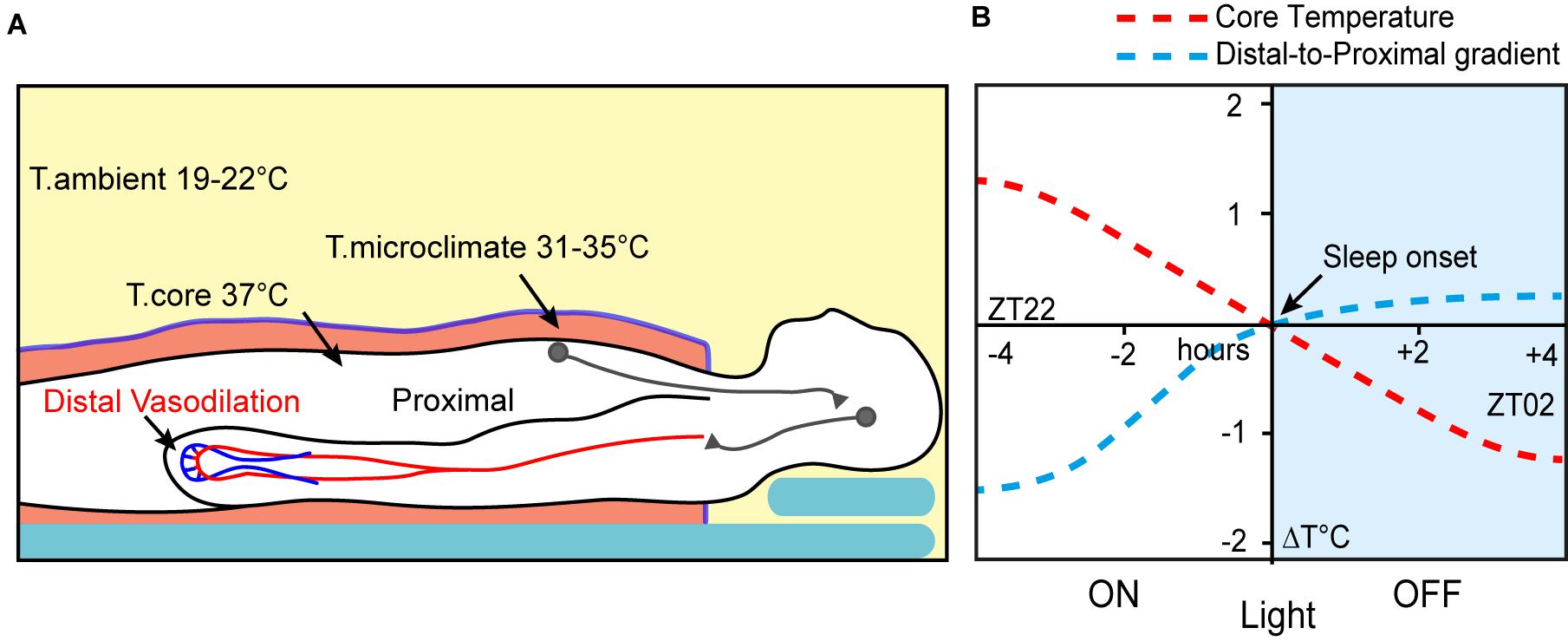
The human body's ideal temperature lies between 35.01C and 37.76C (95-99.9F), depending on how it is measured, although most medical experts accept an average of 36.8C (98.2F). When the surrounding air nears or exceeds this temperature, particularly when humidity is high, the body's ability to cool itself weakens.
How to stay hydrated in the heat
Keeping hydrated is a consistent public health message – for decades we've been urged by health authorities to consume as much as six to eight glasses worth of water a day, or 2-3 litres. But when temperatures rise, the need to keep fluids up is even more important.
Without a continual topping up of water (which makes up between 60% and 70% of our body weight) we start to dehydrate. The first reliable sign of dehydration is increasing thirst, when around 2% of body weight has been lost. Dehydration occurs more quickly with physical exertion or exercise. Even mild dehydration can cause fatigue and tiredness, and overheating as the body stops sweating to preserve water.
Many of us instinctively reach for a glass of water, but it may not always be the best option. Milk may, in some cases, be better, as it contains small amounts of salt and sugar which can be lost through sweating. Coconut water also contains vital elements lost through excess perspiration.
With almost no effort at all, pets manage to bring so much joy into our lives. They make us laugh, comfort us when we’re sick or upset, and are always there for us no matter what. It’s no wonder that an estimated 12 million British households choose to keep a pet.
Here's a few benefits to having your furry friends!
They keep you fit
All breeds of dog need regular, daily walks in order to stay happy and healthy, and so do we! However, we sometimes have the tendency to get a bit lazy – if that sounds like you, a dog is the perfect cure! They’ll be dragging you out the front door and making you run around the park each and every day. Yes, a dog is possibly the best personal trainer you could ask for.
They make sure you're never lonely
If you live by yourself, or your partner works different shift patterns to you, it can get awfully lonely at home – unless you have a pet, of course! Cats and dogs make great companions – they’ll always be waiting for you to come home and they’ll be happy to lend an ear should you want to moan about the awful day you’ve had. Plus, most of the time, they’re up for a snuggle on the sofa.
They make you feel safe
Not everyone likes being home alone, but having a cat or dog there can make you feel a lot safer. Plus, burglars are less likely to target a house that’s clearly home to a dog. Some breeds make excellent guard dogs and will even protect you when you’re out for a run or walk.
They can help you make friends
The pet owner community is an incredibly friendly one – you’ll often find that people will stop to talk to you about your dog in the park. Having a pet is a great way to meet new people and create bonds quickly, especially if you’re not too good at small talk. You never know, owning a dog may help you meet the love of your life!
They lower your stress levels
Modern life is stressful and high levels of anxiety can lead to numerous health problems. Luckily, pets can really help us relax – stroking your cat or simply watching fish swim around in a tank can make your worries melt away.
You pay a mortgage and your payments go towards paying for your home, not into a landlord's pocket
If you pay £750 per month for rent, that’s a whopping 9K a year! You might as well just keep the money and not put it tIf you pay say £750 per month in rent, that’s £9,000 per year which you are spending that you will never get back. The money you’ve spent on rent will likely completely cover your landlord’s mortgage repayment figure, any insurances or management fees and leave them with a profit. This is especially true if they have an interest-only mortgage or have no outstanding loans on the home. If you are renting, and have enough money for a deposit and can afford the monthly repayments, it might be time to take the plunge and buy a home so the money goes towards your home, and not theirs!
You could make a profit when you sell if house prices rise
Homeownership is one of the most important financial decisions you'll make. When it comes time to sell your house, remember that its value may be higher than what was paid for in years past - this could mean more money at retirement or when trying purchase another property! Beware that fees apply when moving home, including stamp duty and legal and estate agent fees, so this will reduce your overall profit.
The home will be yours when you've finished paying off your mortgage
Your biggest win after years of saving and paying off your mortgage is fully owning a home without any outstanding payments. The advantage to this? An influx in extra cash that you can use for anything - like buying more things!
You may decide this is important to you for when you retire, so you have fewer outgoings and financial responsibilities. An average mortgage term is somewhere between 25 and 30 years, so if you will likely retire in 25 to 30 years time, you may want to get a mortgage as soon as possible.
You don't need anyone's permission tot have pets or redecorate
This might sound obvious, but your home is yours to do with as you please. You can decorate your home any way you wish. Want a giant tropical fish tank? Go for it. Thinking of painting your downstairs loo walls bright orange? Well, it’s your home. Been waiting forever to have a hot tub in your garden? Sounds fab. If you’ve been waiting until you own a home to get a dog or cat, you’ll be able to when you buy your own home. Be sure to check that the home is suitable and safe before you adopt though!
You won't be asked to move by your landlord
Yes, another obvious one, but if you own a home, it’s yours! You can live there for as long as you want as long as you continue to repay your mortgage, every month, on time. Every payment you make is a signal of responsible credit management, and can help improve your credit score.
You may be required to move if your home becomes subject to a compulsory purchase order. This would only occur in cases where the government or other body requires land for construction of critical infrastructure, such as new roads and train lines like HS2 - which is currently under consideration by British authorities!