Making the Most of Your Home During the Summer Holidays
The summer holidays always seem to arrive faster than expected.
One minute you're planning days out and family activities, and the next you're wondering how to keep everyone entertained for six weeks. While holidays and trips away are always something to look forward to, there's plenty to be said for making the most of your home too.A few simple changes can help your home feel more enjoyable, comfortable and practical throughout the summer months.
Create Spaces That Work for Everyone
During the holidays, homes often get used differently. Children are around more, routines change, and rooms that might normally sit empty suddenly become busy.
Rather than trying to keep everything exactly as it is during term time, it can help to adapt spaces to suit how your family is actually living.A dining table might become a place for crafts and games. A spare room could double as a quiet reading space. Even a corner of the living room can become somewhere for children to play while still being part of family life.
Make the Most of Longer Days
One of the best things about summer is having more daylight to enjoy.
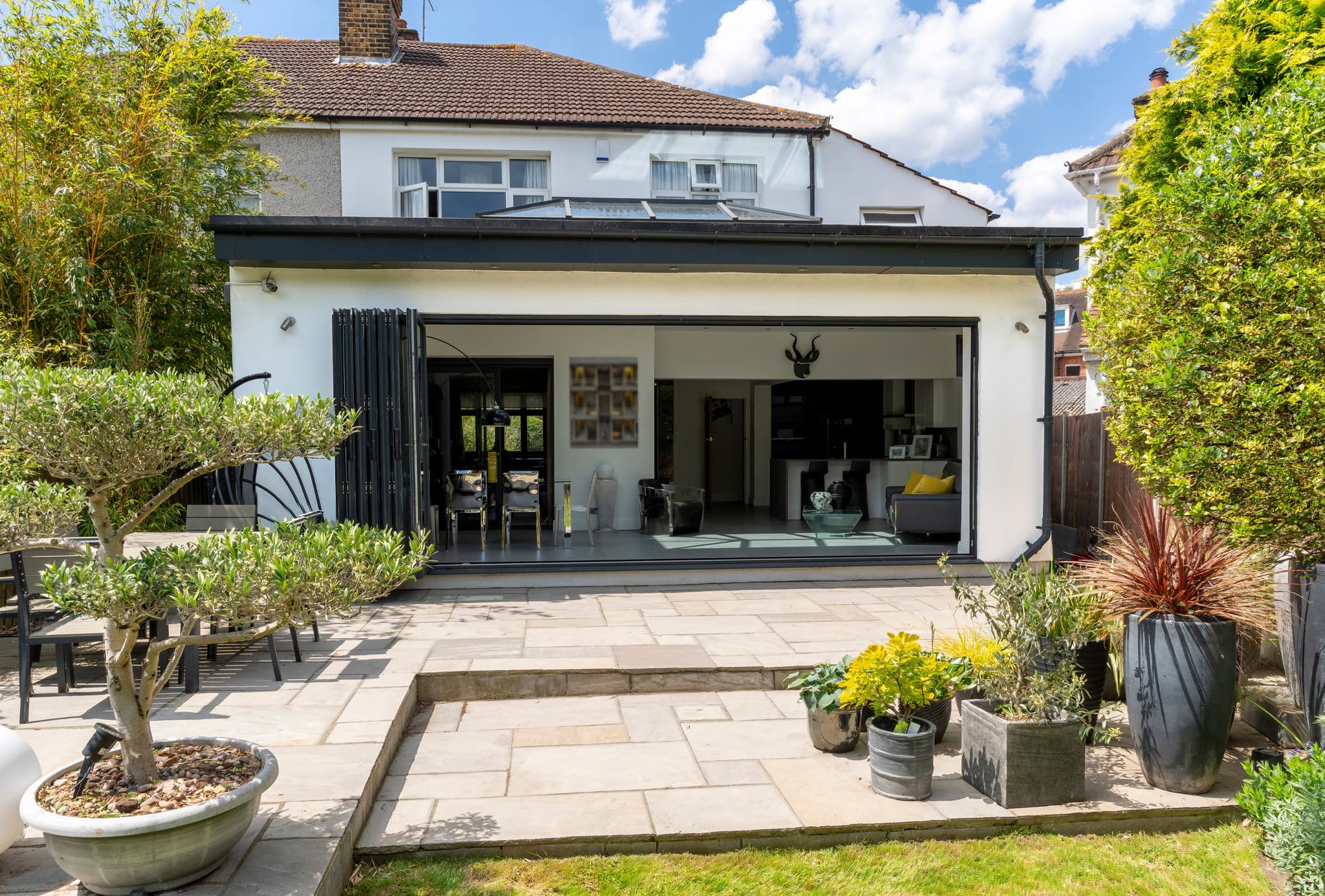
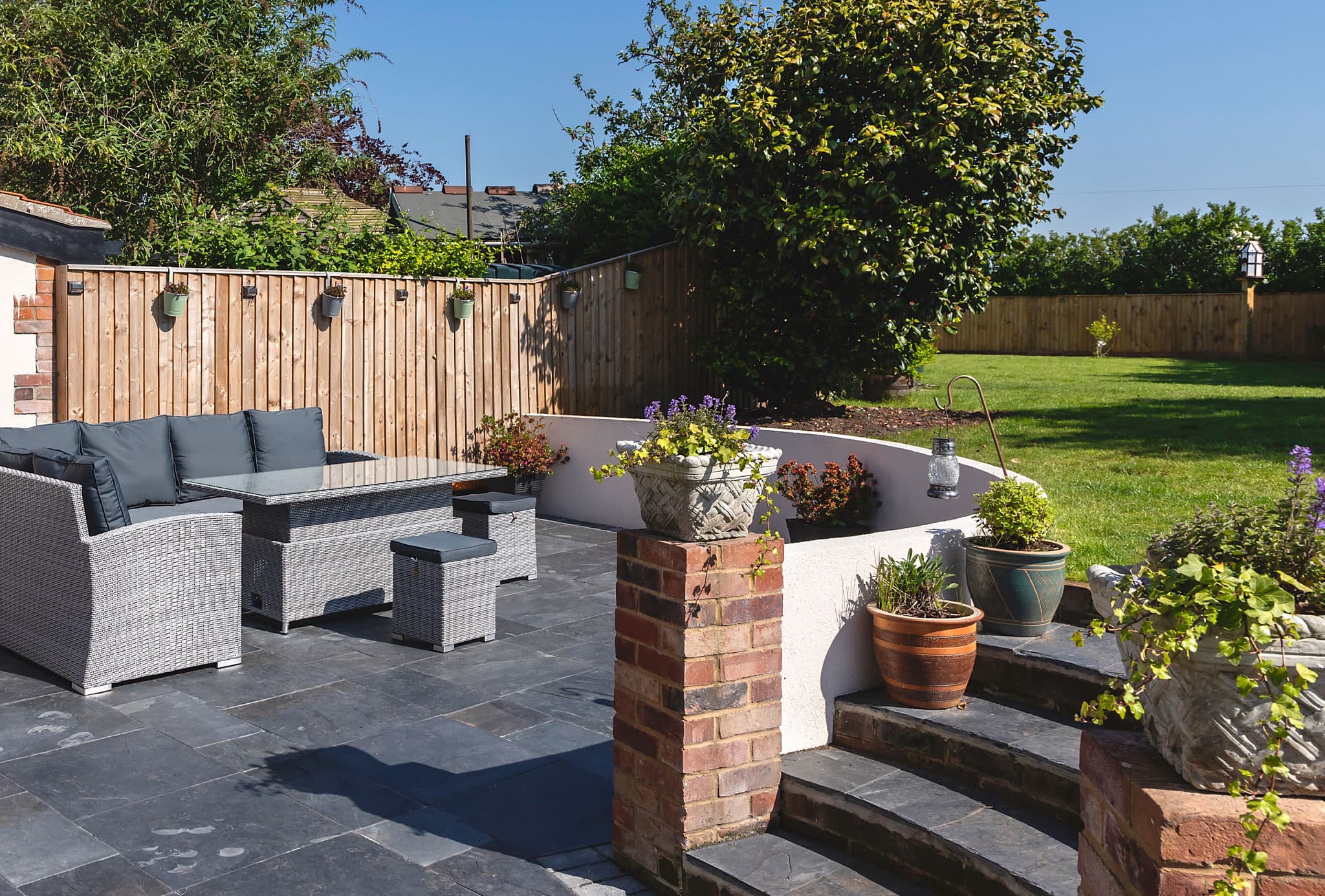
Opening windows, making use of outdoor spaces and spending time in the garden during the evening can help your home feel bigger and more connected to the outdoors.You don't need a large garden to enjoy it either. A small patio, balcony or seating area can quickly become a favourite spot for a morning coffee or an evening catch-up after a busy day.
Keep Things Simple
It's easy to feel pressure to fill every day with activities, especially during the school holidays.
In reality, some of the best summer memories are often the simplest ones. Eating outside, watching a film together, having friends round for a barbecue or simply enjoying a slower pace can be just as valuable as a packed diary.Having a comfortable home makes those moments easier to enjoy.
Stay Cool and Comfortable
Warmer weather can sometimes make homes feel stuffy, particularly during heatwaves.
Keeping blinds partially closed during the hottest part of the day, opening windows in the morning and evening, and making sure air can flow through the house can all help keep things comfortable.Light bedding and lighter fabrics around the home can also make a surprising difference.
Enjoy the Space Around You
Summer is often a reminder of why location matters just as much as the home itself.
Local parks, walking routes, cafés and attractions all become part of everyday life during the holidays. Having these things close by can make spontaneous days out much easier and help you make the most of your time together.
There’s something about spring and summer that makes you look at your outdoor space a bit differently. After months of cold weather, even a small patch of garden or a quiet patio starts to feel full of potential again.
The good news is, you don’t need a full redesign to enjoy it. A few simple changes can make it a space you actually want to spend time in.
Start with a bit of a reset
Before adding anything new, it’s worth giving the space a quick tidy. Clear away anything that’s built up over winter, wipe down surfaces, and take a step back to see what you’re working with.
It doesn’t need to be perfect — just usable. Once it feels a bit more open, it’s easier to picture how you might use it day to day.
Think about how you’ll actually use it
Not every outdoor space needs to be styled or “finished”. Sometimes it’s just about making it practical.
You might want somewhere to sit with a coffee in the morning, space for the kids to play, or a spot to unwind in the evening. Keeping that in mind helps avoid filling the space with things that look good but don’t really get used.
Keep it simple with seating
Seating is usually the thing that makes the biggest difference. It doesn’t have to be a full set — even a couple of chairs or a small bench can be enough to change how the space feels.
If you’re working with a smaller area, folding or stackable furniture can be a good option. It gives you flexibility without making things feel crowded.
Add a bit of greenery
Plants are an easy way to bring some life back into the space. You don’t need to go all out — a few pots with herbs, flowers or low-maintenance plants can be enough.
If you’re not sure where to start, choose things you’ll enjoy seeing or using. Herbs are a good option as they’re practical as well as decorative.
Lighting makes a difference
As the evenings get longer, a bit of outdoor lighting can help you make the most of it. String lights, solar lights or a simple outdoor lamp can make the space feel more inviting without much effort.
It’s one of those small changes that can make you want to stay outside a little longer.
Give it time to come together
You don’t need to get everything sorted in one weekend. Outdoor spaces tend to evolve over time.
Start with the basics, use the space, and adjust things as you go. You’ll get a much better feel for what works once you’ve spent a bit of time out there.
At Eleanor Charles Homes, outdoor space is designed to be just as considered as what’s inside — somewhere practical, comfortable and easy to enjoy as the seasons change.
Eleanor Charles HomesGardeningHot WeatherOutdoor LivingOutdoor SpaceEleanor Charles HomesGardeningHot weatherOutdoor LivingOutdoor Space
Tips for staying cool in the uk heatwave
The oppressive temperatures of a heatwave can have far-reaching impacts, from risks to human health to destroying crops and increasing the risk of wildfires. In 2019, extreme heat is estimated to have caused the deaths of 356,000 people worldwide, according to one set of estimates, making it one of the most dangerous yet overlooked natural hazards. While there is still a great deal of uncertainty about toll that heatwaves take (the World Health Organization estimates 166,000 people died between 1998 and 2017, by comparison), there is little doubt that the number of people exposed to heatwaves around the world is increasing.
How do you stay cool in a heatwave?
It's crucial to stay cool in hot weather as it can have serious effects on your health. Fortunately, there are some simple steps you can take to find relief when the temperatures climb to uncomfortable levels.
You should also think twice before you open all the windows of your house to keep cool – if the temperature if higher outside than inside, you might lose a possible cool haven. Close the curtains in rooms where they face the sun instead.
One of the easiest ways to stay cool can be to take advantage of the temperature change in the air when water evaporates. Taking a cold shower or a swim can help you cool down quickly.
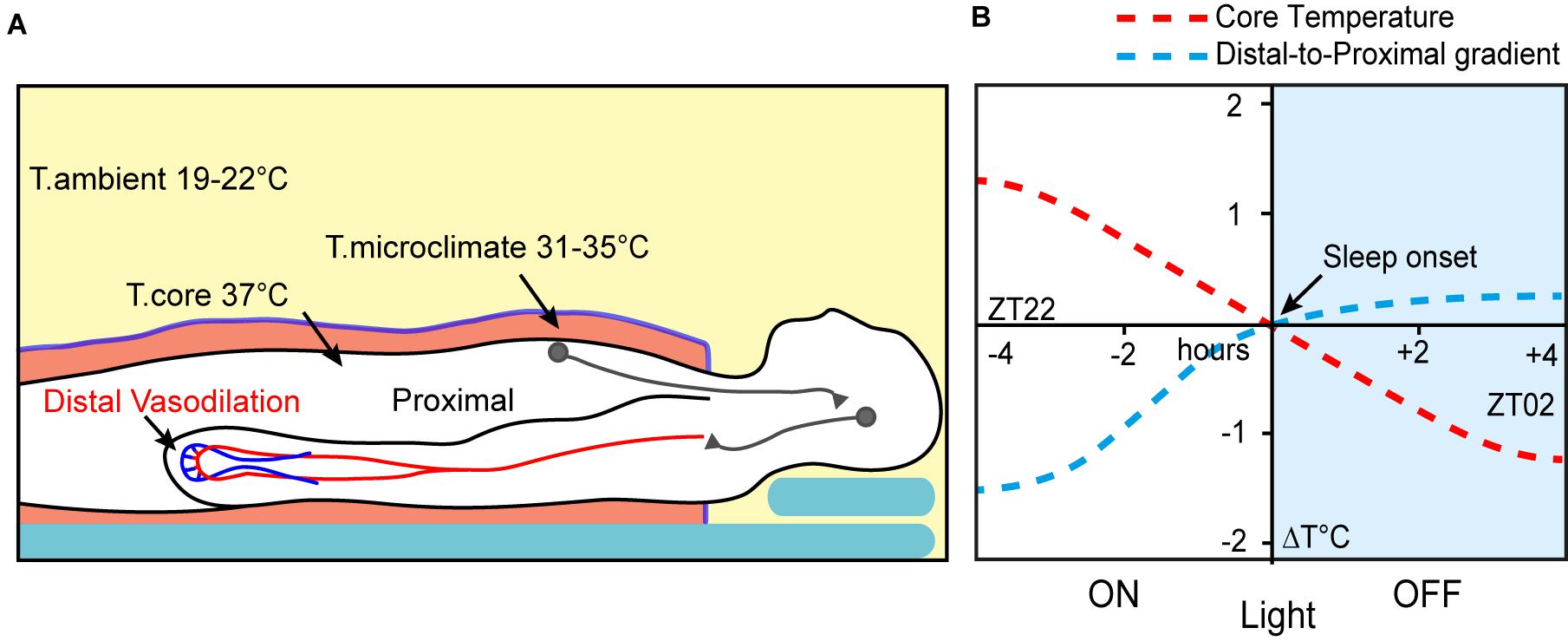
The human body's ideal temperature lies between 35.01C and 37.76C (95-99.9F), depending on how it is measured, although most medical experts accept an average of 36.8C (98.2F). When the surrounding air nears or exceeds this temperature, particularly when humidity is high, the body's ability to cool itself weakens.
How to stay hydrated in the heat
Keeping hydrated is a consistent public health message – for decades we've been urged by health authorities to consume as much as six to eight glasses worth of water a day, or 2-3 litres. But when temperatures rise, the need to keep fluids up is even more important.
Without a continual topping up of water (which makes up between 60% and 70% of our body weight) we start to dehydrate. The first reliable sign of dehydration is increasing thirst, when around 2% of body weight has been lost. Dehydration occurs more quickly with physical exertion or exercise. Even mild dehydration can cause fatigue and tiredness, and overheating as the body stops sweating to preserve water.
Many of us instinctively reach for a glass of water, but it may not always be the best option. Milk may, in some cases, be better, as it contains small amounts of salt and sugar which can be lost through sweating. Coconut water also contains vital elements lost through excess perspiration.