Making the Most of Your Home During the Summer Holidays
The summer holidays always seem to arrive faster than expected.
One minute you're planning days out and family activities, and the next you're wondering how to keep everyone entertained for six weeks. While holidays and trips away are always something to look forward to, there's plenty to be said for making the most of your home too.A few simple changes can help your home feel more enjoyable, comfortable and practical throughout the summer months.
Create Spaces That Work for Everyone
During the holidays, homes often get used differently. Children are around more, routines change, and rooms that might normally sit empty suddenly become busy.
Rather than trying to keep everything exactly as it is during term time, it can help to adapt spaces to suit how your family is actually living.A dining table might become a place for crafts and games. A spare room could double as a quiet reading space. Even a corner of the living room can become somewhere for children to play while still being part of family life.
Make the Most of Longer Days
One of the best things about summer is having more daylight to enjoy.
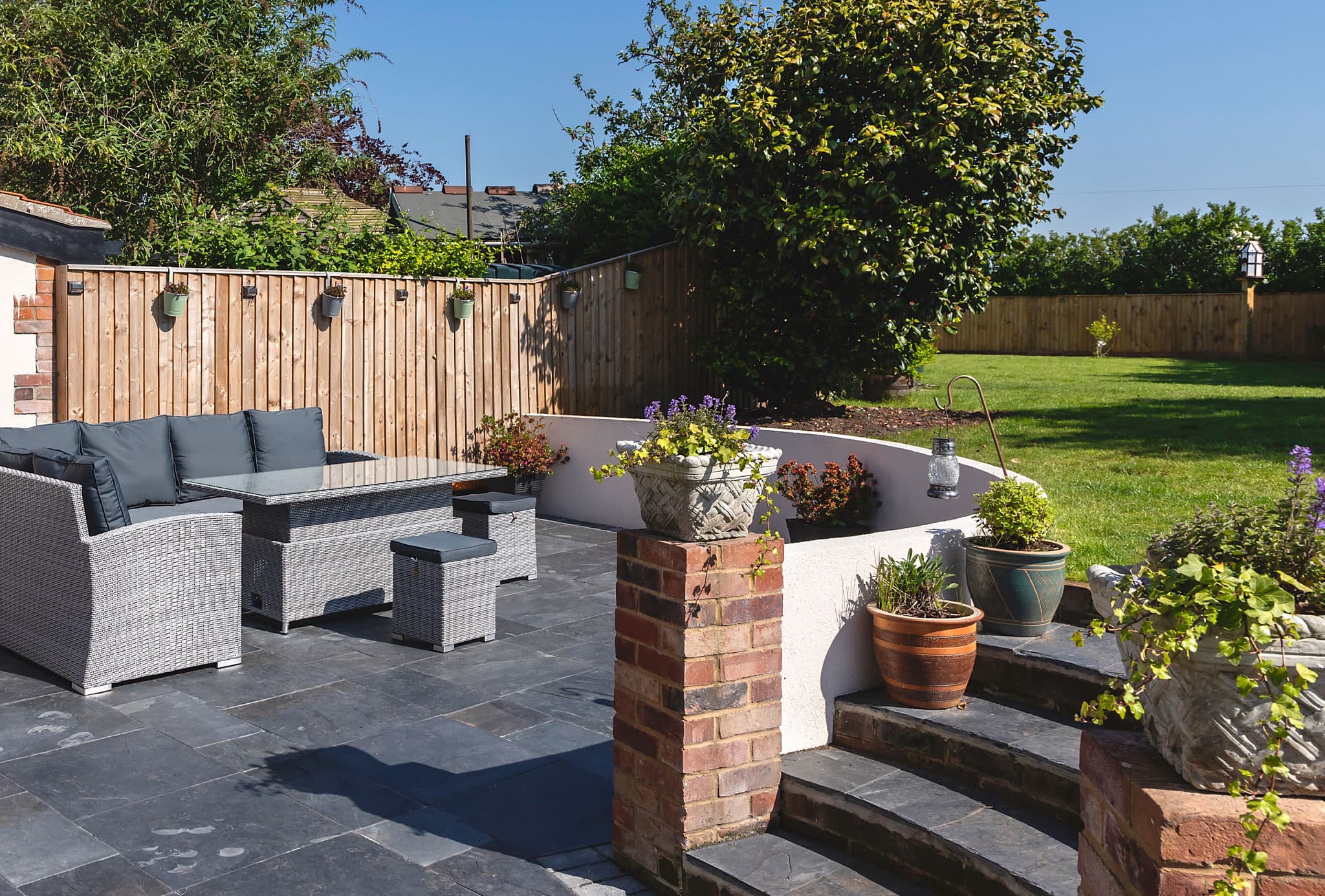
Opening windows, making use of outdoor spaces and spending time in the garden during the evening can help your home feel bigger and more connected to the outdoors.You don't need a large garden to enjoy it either. A small patio, balcony or seating area can quickly become a favourite spot for a morning coffee or an evening catch-up after a busy day.
Keep Things Simple
It's easy to feel pressure to fill every day with activities, especially during the school holidays.
In reality, some of the best summer memories are often the simplest ones. Eating outside, watching a film together, having friends round for a barbecue or simply enjoying a slower pace can be just as valuable as a packed diary.Having a comfortable home makes those moments easier to enjoy.
Stay Cool and Comfortable
Warmer weather can sometimes make homes feel stuffy, particularly during heatwaves.
Keeping blinds partially closed during the hottest part of the day, opening windows in the morning and evening, and making sure air can flow through the house can all help keep things comfortable.Light bedding and lighter fabrics around the home can also make a surprising difference.
Enjoy the Space Around You
Summer is often a reminder of why location matters just as much as the home itself.
Local parks, walking routes, cafés and attractions all become part of everyday life during the holidays. Having these things close by can make spontaneous days out much easier and help you make the most of your time together.
There’s something about spring and summer that makes you look at your outdoor space a bit differently. After months of cold weather, even a small patch of garden or a quiet patio starts to feel full of potential again.
The good news is, you don’t need a full redesign to enjoy it. A few simple changes can make it a space you actually want to spend time in.
Start with a bit of a reset
Before adding anything new, it’s worth giving the space a quick tidy. Clear away anything that’s built up over winter, wipe down surfaces, and take a step back to see what you’re working with.
It doesn’t need to be perfect — just usable. Once it feels a bit more open, it’s easier to picture how you might use it day to day.
Think about how you’ll actually use it
Not every outdoor space needs to be styled or “finished”. Sometimes it’s just about making it practical.
You might want somewhere to sit with a coffee in the morning, space for the kids to play, or a spot to unwind in the evening. Keeping that in mind helps avoid filling the space with things that look good but don’t really get used.
Keep it simple with seating
Seating is usually the thing that makes the biggest difference. It doesn’t have to be a full set — even a couple of chairs or a small bench can be enough to change how the space feels.
If you’re working with a smaller area, folding or stackable furniture can be a good option. It gives you flexibility without making things feel crowded.
Add a bit of greenery
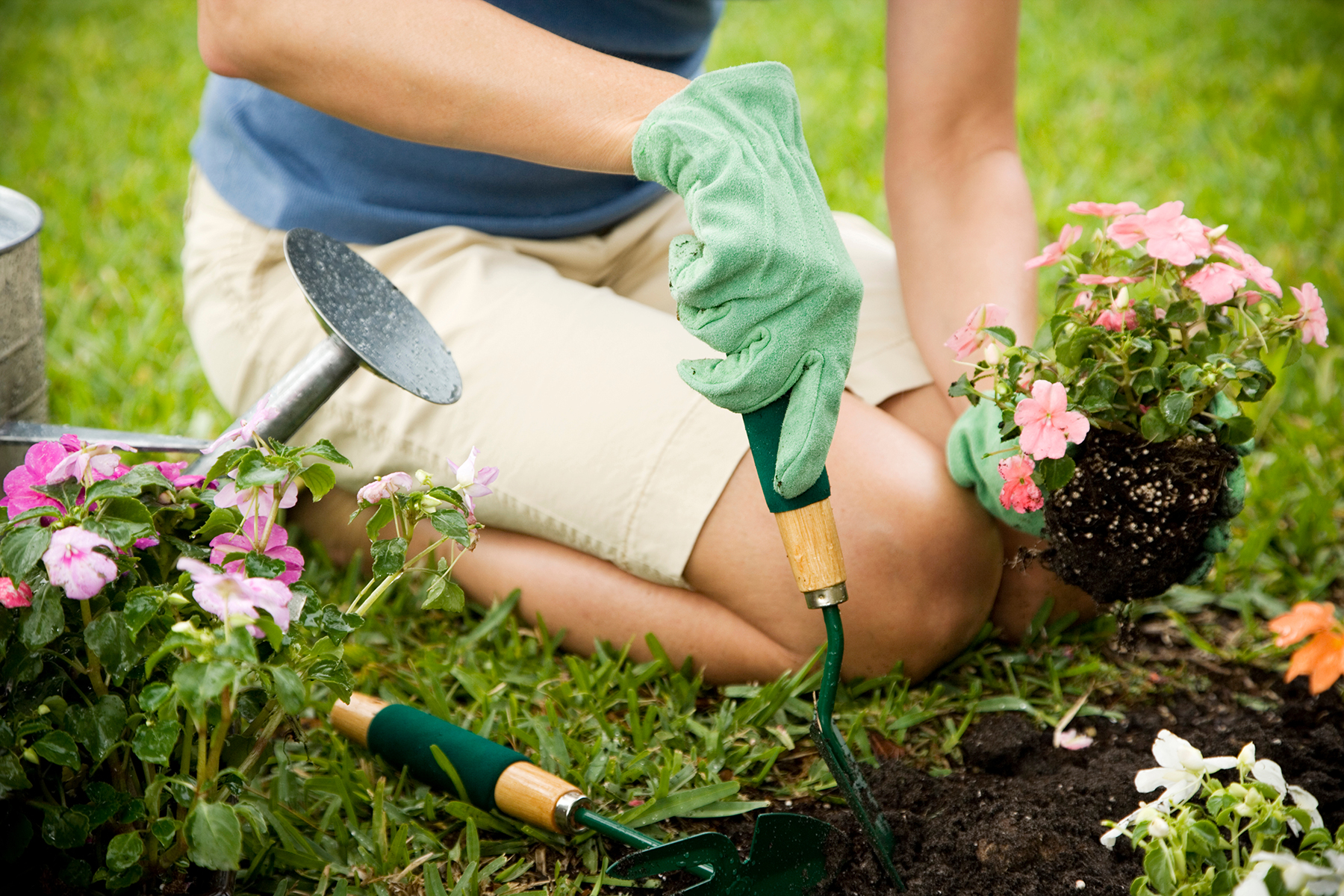
Plants are an easy way to bring some life back into the space. You don’t need to go all out — a few pots with herbs, flowers or low-maintenance plants can be enough.
If you’re not sure where to start, choose things you’ll enjoy seeing or using. Herbs are a good option as they’re practical as well as decorative.
Lighting makes a difference
As the evenings get longer, a bit of outdoor lighting can help you make the most of it. String lights, solar lights or a simple outdoor lamp can make the space feel more inviting without much effort.
It’s one of those small changes that can make you want to stay outside a little longer.
Give it time to come together
You don’t need to get everything sorted in one weekend. Outdoor spaces tend to evolve over time.
Start with the basics, use the space, and adjust things as you go. You’ll get a much better feel for what works once you’ve spent a bit of time out there.
At Eleanor Charles Homes, outdoor space is designed to be just as considered as what’s inside — somewhere practical, comfortable and easy to enjoy as the seasons change.
Eleanor Charles HomesGardeningHot WeatherOutdoor LivingOutdoor SpaceEleanor Charles HomesGardeningHot weatherOutdoor LivingOutdoor Space
Tips for gardening
The best time to garden varies depending on factors such as climate, region, and the type of plants you wish to grow. However, there are general guidelines that can help you optimize your gardening efforts throughout the year:
Spring: Spring is typically an excellent time to start gardening, as temperatures begin to warm up, and plants come out of dormancy. In temperate climates, early spring is ideal for planting cool-season vegetables such as lettuce, spinach, peas, and carrots. It's also a good time to sow seeds for annual flowers and herbs and to transplant perennial plants.
Late Spring to Early Summer: As temperatures continue to rise, late spring and early summer are ideal for planting warm-season crops like tomatoes, peppers, cucumbers, and squash. Be sure to provide adequate water and mulch to help retain soil moisture and prevent weed growth. This is also a great time to plant summer-flowering bulbs and perennials for a colorful garden display.
Summer: While summer can bring hot and dry conditions in many regions, it's still possible to garden effectively with proper planning and care. Watering early in the morning or late in the evening can help minimise moisture loss due to evaporation, while providing shade or using row covers can protect sensitive plants from excessive heat. Consider growing heat-tolerant varieties and practicing mulching to conserve soil moisture and suppress weeds.
Late Summer to Early Fall: Late summer and early fall are excellent times to start planning for the next growing season. Consider sowing seeds for cool-season crops like lettuce, spinach, kale, and radishes for a fall harvest. It's also an ideal time to divide and transplant perennials, plant trees and shrubs, and prepare garden beds for winter cover crops or mulching.
Autumn: Fall is an opportune time for planting trees, shrubs, and perennials, as cooler temperatures and increased rainfall provide optimal growing conditions. Take advantage of fall sales at nurseries and garden centers to stock up on plants and supplies for next year's garden. Additionally, consider planting spring-flowering bulbs such as tulips, daffodils, and crocuses for a burst of color in the early spring.
Winter: While winter may seem like an off-season for gardening, there are still tasks you can do to prepare for the upcoming growing season. Use this time to plan your garden layout, order seeds and supplies, and clean and sharpen garden tools. You can also start seeds indoors for early spring crops or experiment with indoor gardening projects such as growing herbs or microgreens.
Ultimately, the best time to garden is whenever you have the time, resources, and motivation to do so. By understanding the seasonal rhythms of your local climate and adapting your gardening practices accordingly, you can enjoy a bountiful and beautiful garden year-round.
Spring is a time of renewal and growth, making it the perfect opportunity to revitalize your outdoor space and set the stage for a bountiful season ahead. Here are some essential tasks and activities you can undertake in your garden during spring:
Soil Preparation: Begin by preparing your garden beds for planting. Loosen the soil with a garden fork or tiller to improve aeration and drainage. Remove any weeds, debris, or dead vegetation that may have accumulated over the winter months.
Amend Soil: Test the soil pH and nutrient levels to determine if any amendments are needed. Add organic matter such as compost, well-aged manure, or leaf mold to enrich the soil and provide essential nutrients for plant growth.
Planting: Spring is an ideal time to start planting a wide range of flowers, vegetables, herbs, and fruits. Choose cold-hardy varieties that can withstand potential late frosts. Consider planting cool-season crops like lettuce, spinach, peas, carrots, and radishes.
Pruning: Prune deciduous trees, shrubs, and perennial plants to remove dead, damaged, or overgrown branches. Pruning encourages healthy growth, improves air circulation, and enhances the overall appearance of your garden.
Divide and Transplant: Spring is the perfect time to divide overcrowded perennials and transplant them to new locations. Dividing plants not only rejuvenates them but also allows you to expand your garden and fill in empty spaces.
Mulching: Apply a layer of organic mulch, such as wood chips, straw, or shredded leaves, around garden beds to conserve moisture, suppress weeds, and regulate soil temperature. Mulching also adds organic matter to the soil as it decomposes.
Fertilising: Feed your plants with a balanced fertiliser to promote healthy growth and flowering. Choose a fertiliser formulation specifically designed for the type of plants you are growing, whether it be flowers, vegetables, or fruit-bearing plants.
Pest and Disease Management: Monitor your garden regularly for signs of pests, insects, and diseases. Take preventive measures such as removing debris, practicing crop rotation, and using natural pest control methods to minimise infestations and disease outbreaks.
Watering: As the weather warms up, ensure that your plants receive an adequate amount of water to support their growth and development. Water deeply and consistently, preferably in the morning to minimise evaporation and fungal diseases.
Create Wildlife Habitat: Enhance the biodiversity of your garden by incorporating features that attract beneficial wildlife such as birds, butterflies, and pollinators. Plant native flowers, provide shelter, and install bird feeders or birdbaths to create a welcoming habitat for wildlife.
By incorporating these tasks and activities into your spring gardening routine, you can create a vibrant and thriving outdoor space that brings joy and beauty throughout the season. Happy gardening!
Unlocking the value of your home doesn't have to be complicated - if you make the right moves, you can add worth without breaking the bank.
Take your home up a notch with creative ideas like extending the living space, installing an eye-catching modern kitchen and refreshing its exterior appeal. Your house can be revitalised in no time!
By taking on projects that are fast and simple, you'll be able to give your interior a quick makeover with immediate results. If you're looking for more substantial changes, consider investing in extensions – they can not only boost curb appeal but also increase the value of your home when it comes time to sell!
While you may be tempted to do large scale project don’t forget the smaller things can also add value too.
How to Add Value to Your Home by Decorating
Decorating is perhaps the most obvious task when thinking about how to add value to your home.
Even though minor blemishes may not decrease the value of a home, they can be enough to drive away potential buyers and make it difficult for owners to get top dollar.
These typical defects will put many buyers off, but are easily resolved by any competent DIYer:
Peeling paint
Squeaking or sticking doors and windows
Door latches that don’t work
Mouldy sealants in kitchen and bathroom
Dripping taps
Loose tiles
Sewer smells
Broken or damaged windows
Squeaky floors and stairs
Cracks to ceilings and plasterwork
Lifting flooring
Add an Extra Bedroom
When it comes to increasing the value of your home, adding an additional bedroom is a smart move. Not only will this create more usable space in your property - providing potential buyers with greater flexibility and choice – but also adds appeal for both young families and couples looking to downsize alike.
Having more bedrooms in a property is usually seen as beneficial by potential buyers since it can add considerable value. However, there are limits to this depending on the location of your home - once you hit that limit, additional rooms won't give much bang for their buck!
Extra bedrooms can be created by dividing up existing space by removing and adding walls, by converting the loft or cellar, or by extending.
Re-purposing an existing room is a great way to freshen up your home without spending too much. Older homes with large bedrooms are the perfect candidates for this eco-friendly transformation!
Make sure you create a balance between bedrooms and the number of bathrooms a ratio of one to three is a minimum.
Kitchen Makeovers That Add Value
Having an attractive, spotless kitchen is a must-have for both potential buyers and home appraisers. Before replacing the entire set up in your cooking space, take into account its shape, position and then decide if you need to change anything about it - or even move it somewhere else!
Very often, kitchen renovations can be carried out for a modest investment. Small changes such as repainting or replacing unit doors or just the worktops can have a huge impact, as can new floor tiles or better lighting.
Give Your Garden a Makeover
Redesigning your garden can be a great way to not only increase the value of your home, but also make it more attractive to potential buyers. A well designed and tidy outdoor space is sure to add that extra flair – making it an eye-catching attraction!
Even if you do not makeover your garden, make sure you carry out at least the basics:
The oppressive temperatures of a heatwave can have far-reaching impacts, from risks to human health to destroying crops and increasing the risk of wildfires. In 2019, extreme heat is estimated to have caused the deaths of 356,000 people worldwide, according to one set of estimates, making it one of the most dangerous yet overlooked natural hazards. While there is still a great deal of uncertainty about toll that heatwaves take (the World Health Organization estimates 166,000 people died between 1998 and 2017, by comparison), there is little doubt that the number of people exposed to heatwaves around the world is increasing.
How do you stay cool in a heatwave?
It's crucial to stay cool in hot weather as it can have serious effects on your health. Fortunately, there are some simple steps you can take to find relief when the temperatures climb to uncomfortable levels.
You should also think twice before you open all the windows of your house to keep cool – if the temperature if higher outside than inside, you might lose a possible cool haven. Close the curtains in rooms where they face the sun instead.
One of the easiest ways to stay cool can be to take advantage of the temperature change in the air when water evaporates. Taking a cold shower or a swim can help you cool down quickly.
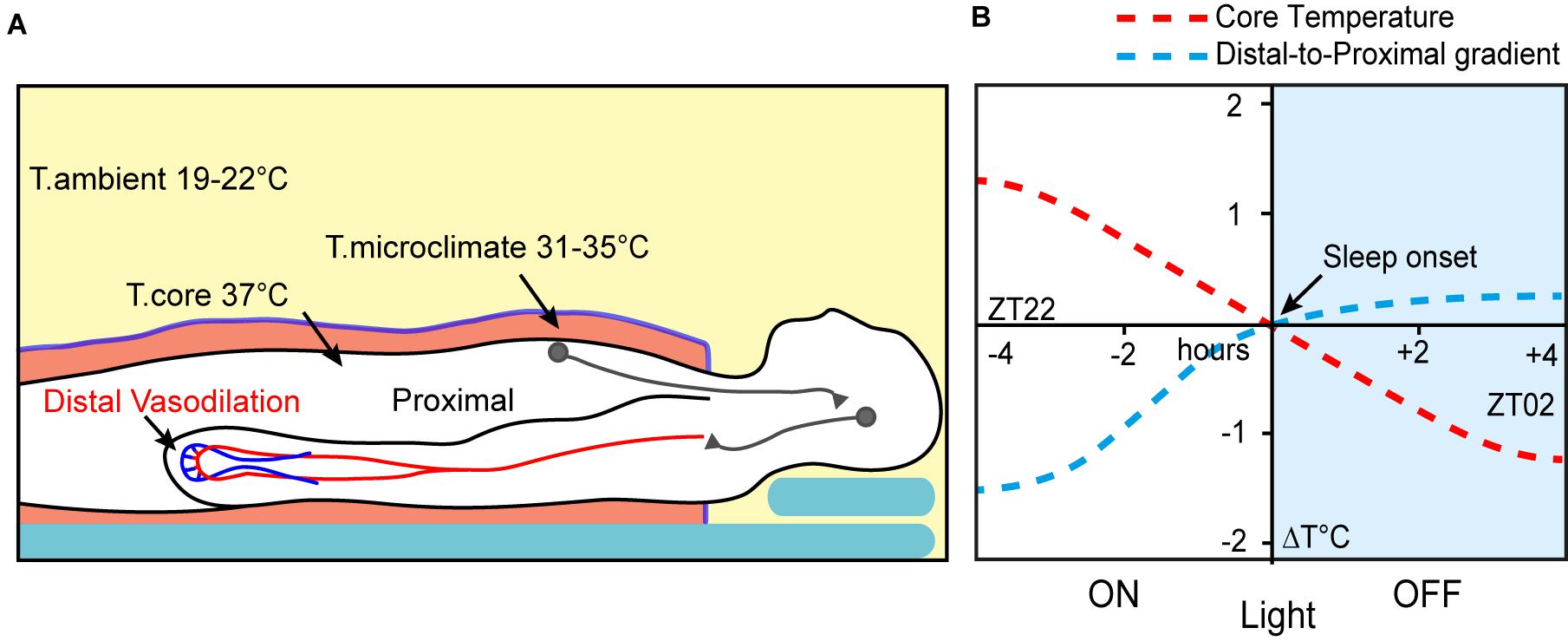
The human body's ideal temperature lies between 35.01C and 37.76C (95-99.9F), depending on how it is measured, although most medical experts accept an average of 36.8C (98.2F). When the surrounding air nears or exceeds this temperature, particularly when humidity is high, the body's ability to cool itself weakens.
How to stay hydrated in the heat
Keeping hydrated is a consistent public health message – for decades we've been urged by health authorities to consume as much as six to eight glasses worth of water a day, or 2-3 litres. But when temperatures rise, the need to keep fluids up is even more important.
Without a continual topping up of water (which makes up between 60% and 70% of our body weight) we start to dehydrate. The first reliable sign of dehydration is increasing thirst, when around 2% of body weight has been lost. Dehydration occurs more quickly with physical exertion or exercise. Even mild dehydration can cause fatigue and tiredness, and overheating as the body stops sweating to preserve water.
Many of us instinctively reach for a glass of water, but it may not always be the best option. Milk may, in some cases, be better, as it contains small amounts of salt and sugar which can be lost through sweating. Coconut water also contains vital elements lost through excess perspiration.
Pinterest is a fantastic interactive scrapbook – think back to when you would buy home magazines, cut out your favourite ideas and stick them on mood boards when you were decorating. In effect, this is an updated version!
You can add images in three ways
Upload from your computer (this could be a picture of your room so you can plan ideas for décor whilst looking at what you’re working with
Search the Pinterest site (more on that below)
Scour the internet and purchasing websites and add in particular products
You can make both public and private boards – which is why it is classed as a social channel. Your open boards can be found by other people by your board theme or which hashtag you used on there. If you use a private board, however, the content in it will only be seen by you.
The best functionality of this channel is the ability to link to products in images to their original websites. They will sit in your board as an image but you can click out to buy them whenever you’re ready, saving you the time and hassle of having to remember where you saw them first or having to run out into town!
There is also a great search functionality in Pinterest. You can search for other people’s ideas by keyword, their personal or company page or themed boards – so if you were looking for garden renovation ideas, for example, you can culminate the best ideas in one place. From here, you can pin other people’s pictures onto your board and add a comment or link into it as a reminder for yourself at a later date.
But how can you be using this site within the home?Why not use Pinterest for:
If you’re doing up a room of your home, why not plan out different wallpapers, potential furniture choices and decorative items to compare products or check everything matches. Just moved into a new house? Make a board for each room so your ideas don’t all get muddled!
Planning to do up your garden? Look at what other people have done with a similar space or add in potential decorative items to one board.
Adding a new addition to the family? Plan your room décor ideas alongside potential purchases, toys and even baby grows!
Planning out your Christmas menu for when the family descend? Add recipe ideas and even food products (that wine that Aunty Meredith insists is the only one she’ll drink!) into a board so your ideas are all in one place.
ChecklistDecoratingGardeningHayman's CornerMoving HouseNew HomeNew HousePintrestTips for moving houseDecoratingDecorating IdeasHayman's CornerMansfield WoodhouseNew development in NottinghamNew HousesPintrestProperty
Gardening Tips For All Year Round!
1 If you’re looking for colour inspiration in the garden, think about the colours you already enjoy in the house before heading to the garden centre.
2 To help the garden look good all year round, plant plenty of evergreens and supplement these with perennials that will come back year after year.
3 Maintenance doesn’t need to be a chore. Weed-suppressant membranes put down in borders, which you can cut and plant through, will keep them tidy all year round with zero maintenance.
4 Don’t be afraid of artificial lawns. If your lifestyle does not give the time to spare to mow, there are some remarkably good artificial options on the market.
5 Nourish gardens and containers with time-release fertilisers that continue feeding plants for long periods.
6 Freshening up your outdoor space by washing down old and weary-looking garden furniture and giving it a fresh coat of paint can help transform a garden.
7 Add fresh mulch to your borders every year to keep weeds down and help the soil retain water, so you can water less.
8 Don’t let the decisions you made last year restrict you now: you can always move things around and replant and repaint if you have changed your mind.
9 If you can get out in the garden after a heavy shower, the weeds will put up much less resistance. Even deep-rooted dandelions pull up easily from wet soil.
10 Wait to prune evergreens, such as boxwood, until they’ve produced most of their new growth. That way you won’t have to tackle them again until next year.
Information provided by The TelegraphGardeningHayman's CornerNew HomeNew HouseGardeningHayman's CornerMansfield WoodhouseNew development in NottinghamNew HousesPropertyTips & Tricks to Moving House