Let’s be honest — when the cold really sets in, it’s tempting to just crank up the heating. But staying warm doesn’t have to mean pushing your energy bills sky-high. With a few small changes, you can keep cosy without breaking the bank.
Here are 10 easy tips to help you stay toasty at home this winter.
1. Dress for the weather – even indoors
You don’t need to be heading out to layer up. If your house is feeling chilly, start by dressing like it’s cold outside. Thermal tops, fluffy socks, thick jumpers — they all help. Keep a warm blanket on the sofa too. And if you need to wear a hat or gloves indoors? Go for it. No judgement here.
2. Block out the draughts
A bit of DIY can go a long way. Draught excluders, thick curtains and some simple foam strips around windows and doors can help keep the cold out and the warmth in. You can even pop a rolled-up towel by the bottom of the door — it all helps.
3. Use your heating wisely
Set your thermostat to around 18–21°C — warm enough to feel comfortable, but not wasteful. Use timers so your home’s warm when you need it, like first thing in the morning or when you get back from work. Keep doors closed to hold in the heat and pop reflector panels behind your radiators if you want to get extra efficient.
4. Make the most of the sunshine
It might be cold out, but sunlight still does a great job of warming things up. Open your curtains when the sun’s out, then close them as it starts to get dark to trap the heat inside.
5. Warm up in the kitchen
Cooking is a win-win in winter. Make a hearty stew, bake something comforting — it’ll warm your body and help heat the room too. Plus, nothing beats the smell of fresh soup or bread on a chilly day.
6. Check your heating is performing efficiently
A serviced boiler and bled radiators can make a big difference. If your heating doesn’t feel right and you’re a Doorstep tenant, just fill out our repair form and we’ll get it sorted.
7. Keep moving
You don’t need a full-on workout — even a quick tidy, a stretch, or dancing to your favourite playlist will help keep your blood flowing and your body warm.
8. Share the warmth
If you live with others, try spending more time in the same room. It’s warmer, cheaper, and a good excuse for a movie night or a cuppa and a chat.
9. Cosy up your bed
Switch to a thicker duvet or layer up with blankets. Hot water bottles or an electric blanket can make all the difference on those really cold nights.
10. Ask for help if you need it
If you’re finding it hard to keep your home warm, there’s support out there. Look into things like the Warm Home Discount or local council schemes. You might be surprised what you’re eligible for — and we’re happy to help point you in the right direction.
Underfloor heating (UFH) offers a range of benefits, making it an increasingly popular choice for homeowners seeking comfort, efficiency, and modern design. Here’s an in-depth look at the advantages of installing underfloor heating in your house:
1. Enhanced Comfort
Underfloor heating provides consistent and even heat distribution throughout the room. Unlike traditional radiators that create hot spots, UFH warms the entire floor area, ensuring a comfortable ambient temperature from floor to ceiling. This means no more cold spots or chilly drafts, offering a cozy environment, particularly in the colder months.
2. Energy Efficiency
Underfloor heating systems are generally more energy-efficient compared to conventional heating methods. They operate at lower temperatures while still providing the same level of warmth. Water-based UFH systems, for example, can run effectively at temperatures between 35-45°C compared to radiators, which typically operate at 70-90°C. This lower operating temperature can lead to significant energy savings and reduced heating bills.
3. Space Saving and Design Freedom
With UFH, there’s no need for bulky radiators, freeing up wall space and allowing for more flexible interior design. This can be particularly beneficial in smaller rooms or spaces where wall space is at a premium. Homeowners can use the freed-up space for additional furniture, storage, or aesthetic improvements.
4. Improved Air Quality
Traditional heating systems can circulate dust and allergens, contributing to poor indoor air quality. Underfloor heating reduces air movement, minimizing the circulation of dust and allergens. This can create a healthier living environment, especially for those with allergies or respiratory issues.
5. Safety and Comfort
Underfloor heating eliminates the risk of hot surfaces or sharp edges associated with radiators, making it a safer option for homes with children and pets. The even heat distribution also means that floors are warm to the touch, adding an extra layer of comfort, particularly in bathrooms and kitchens where tiles can be cold.
6. Versatility
UFH systems are versatile and can be installed under various types of flooring, including tile, stone, wood, and even carpet. This flexibility makes it suitable for different areas of the home, from bathrooms and kitchens to living rooms and bedrooms.
7. Increased Property Value
Investing in underfloor heating can enhance the value of your property. It’s a modern, desirable feature that can make your home more attractive to potential buyers. The efficiency and comfort benefits associated with UFH are appealing selling points in the real estate market.
8. Silent Operation
Unlike traditional heating systems that can produce noise, such as creaking radiators or the humming of fans, underfloor heating operates silently. This contributes to a more peaceful and relaxing home environment.
9. Zonal Heating Control
UFH systems can be designed with zonal heating controls, allowing homeowners to set different temperatures for different rooms or areas. This level of control can further enhance energy efficiency and comfort, as you can tailor the heating to suit individual preferences and usage patterns.
Conclusion
Underfloor heating offers numerous benefits, including enhanced comfort, energy efficiency, design flexibility, improved air quality, safety, and increased property value. Its versatility and silent operation, along with the ability to control heating by zones, make it a smart investment for modern homes. Whether renovating an existing property or building a new one, underfloor heating can provide a superior heating solution that enhances overall living quality.
what could a Labour government mean for the housing market?
Now that a Labour government has been confirmed, we take a closer look at what they’ve pledged to do for the housing market.
Building new homes
Labour plan to build 1.5 million homes over the next five years, and update the National Policy Planning Framework.
Stamp duty
First-time buyers currently pay no stamp duty on homes priced up to £425,000. However, this relief is due to end next year. Previously, the threshold for first-time buyers to pay stamp duty was set at £300,000. Labour plan to keep the current stamp duty exemption for first-time buyers that’s in place, but haven’t committed to extending it beyond the end of March 2025 expiry date.
Help for renters
Labour has pledged to ban no-fault evictions. They are also looking to have ‘Awaab’s law’ – which currently applies to social housing only – apply to the private rental sector. This requires landlords to investigate and fix reported health hazards within specified timeframes.
They’ve also pledged to ‘empower tenants to challenge unreasonable rent increases’.
Help for first-time buyers
Labour hope to help 80,000 more people get onto the property ladder with a comprehensive mortgage guarantee scheme, as well as offering ‘first dibs’ to locals looking to buy their first home in a new development.
Mortgages
Labour has pledged a ‘Freedom to Buy’ mortgage guarantee scheme, aimed at first-time buyers with smaller deposits. While not a pledge in itself, Labour have also outlined a commitment to keeping mortgage rates ‘as low as possible’.
Making homes greener
Labour has said that all private rental properties will need to be rated EPC C by 2030. It’s worth noting that they’ve said no one will be forced to remove their old gas boiler as part of these plans.
They also plan to deliver a national Warm Homes Plan over a decade which could apply to up to 5 million homes, with the aim to eliminate fuel poverty by 2030.
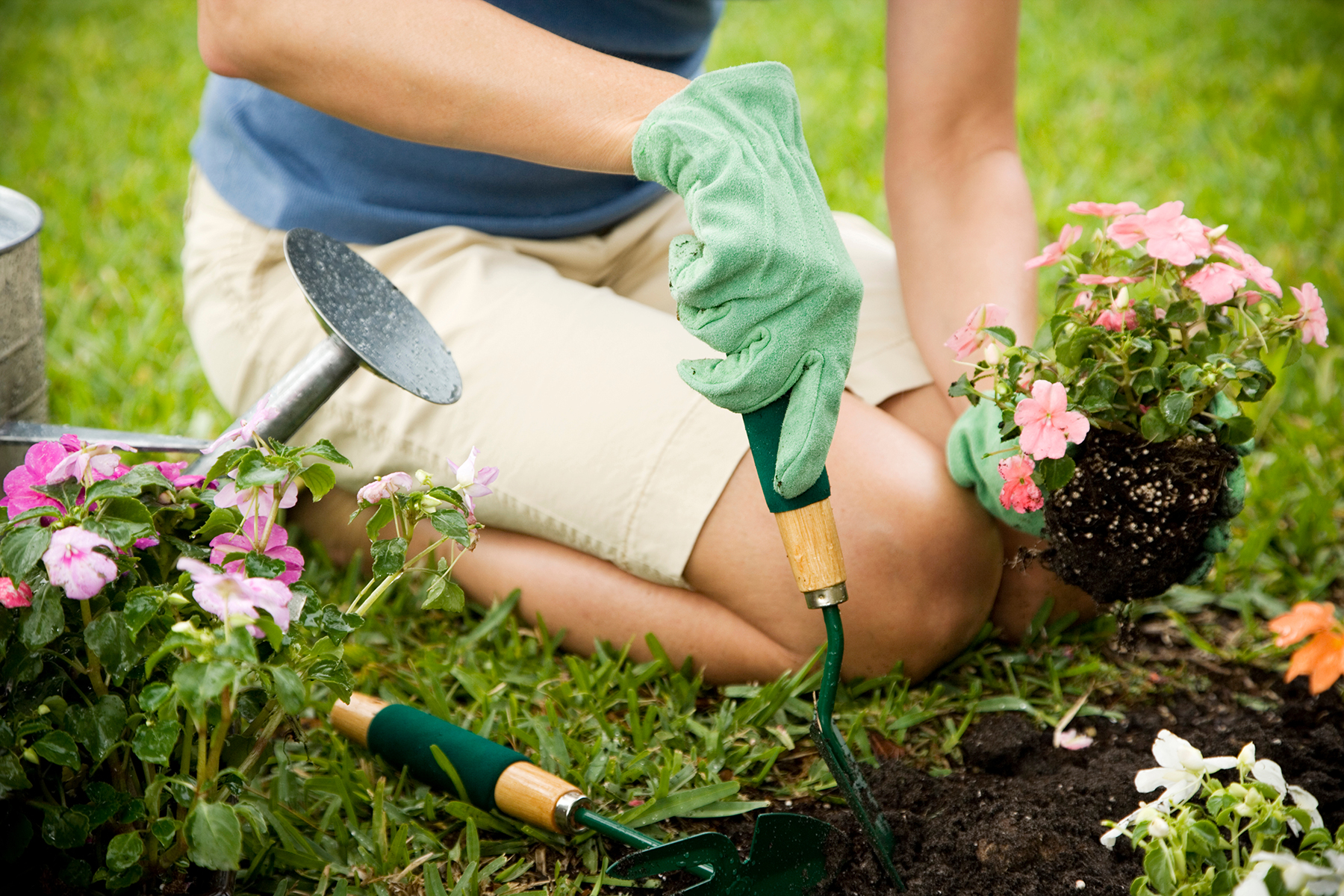
Getting your garden summer-ready doesn't have to be expensive. With a bit of creativity and some DIY efforts, you can transform your outdoor space into a beautiful and enjoyable area. Here are some top tips on affordable ways to prepare your garden for the summer:
1. Clean Up
Start by tidying up your garden. Clear out any debris like fallen branches, dead leaves, and weeds. This cleanup alone can make a significant difference in how your garden looks and feels.
2. Repurpose and Recycle
Use items you already have or can easily reclaim to add interest to your garden. Old pallets can be turned into planters, benches, or even a vertical garden. Recycled containers can make unique plant pots, and unused furniture can be repainted for outdoor use.
3. Plant Perennials
Invest in perennial plants, which come back year after year, reducing the need for purchasing new plants each season. They might cost more upfront but are more economical in the long run.
4. Mulch Generously
Mulching helps retain soil moisture, suppress weeds, and improve soil quality. It also gives your garden beds a neat and tidy appearance. You can often get mulch for free or at a low cost from local tree services or municipal green waste programs.
5. DIY Your Decor
Get creative with garden decorations. Paint stones to create colorful markers for your plants or make a wind chime from old cutlery. Use what you have around the house to add a personal touch to your garden without spending a lot.
6. Use Seeds Instead of Seedlings
Growing plants from seeds rather than buying seedlings can save a lot of money. Start seeds indoors if you're in a cooler climate, and transfer them outside once the weather warms up.
7. Choose Low-Maintenance Plants
Opt for plants that are native to your area as they are more likely to thrive with minimal care. This will save you on watering and fertilising costs.
8. Create a Compost Area
Instead of buying fertiliser, start composting kitchen and garden waste. Composting enriches the soil, helping plants grow better, and it’s free.
9. Water Wisely
Set up a rain barrel to collect rainwater for irrigation, which will help cut down your water bill. Water your garden in the early morning or late evening to minimise evaporation.
10. Plan Your Space
Before buying anything, plan your garden space. Decide what type of plants you want and where they should go based on sunlight and soil type. This planning helps avoid wasting money on unsuitable plants or garden accessories.
11. Propagate Existing Plants
Learn how to propagate plants from cuttings or by dividing them. This can be an easy and free way to expand your garden and fill up more space with greenery.
12. Swap Plants with Friends
Get involved in plant swaps. Trading plants with friends or community members is a fun and free way to diversify your garden.
By following these tips, you can create a beautiful garden ready for the summer without breaking the bank. Each step not only saves money but also adds a touch of personal pride and joy as you watch your garden flourish.
When considering the best heating solution for new homes, several factors come into play, including efficiency, cost-effectiveness, environmental impact, comfort, and the specific needs of the homeowners. Here are some of the top heating options to consider:
Heat pumps: Heat pumps are highly efficient heating systems that extract heat from the air, ground, or water sources and transfer it into the home. They can provide both heating and cooling, making them versatile. Heat pumps are known for their energy efficiency, as they use electricity to move heat rather than generating it directly. They work well in moderate climates and can significantly reduce energy consumption and costs.
Radiant floor heating: This system involves installing pipes or electric heating elements beneath the floor, which radiate heat upward, warming the room from the ground up. Radiant floor heating offers even heat distribution, eliminates the need for visible heating units, and provides excellent comfort. It can be powered by various energy sources, such as gas, electricity, or geothermal heat pumps.
Geothermal heating: Geothermal heat pumps utilize the constant temperature of the earth to heat and cool homes. They circulate a fluid through underground pipes, absorbing heat during the winter and dissipating it in the summer. Geothermal systems are highly efficient and environmentally friendly, but they can be expensive to install due to the need for drilling or digging.
High-efficiency gas furnaces: Gas furnaces are a popular choice due to their reliability and widespread availability of natural gas. High-efficiency models use condensing technology to extract more heat from the combustion process, reducing energy waste. They provide fast and effective heating, particularly in colder climates. It's important to ensure proper installation and regular maintenance to maximize safety and efficiency.
Solar heating systems: Solar heating utilizes the sun's energy to provide heat through solar panels or solar thermal collectors. These systems can be combined with radiant floor heating or other distribution methods. Solar heating is environmentally friendly and can significantly reduce energy costs over time. However, the effectiveness depends on the amount of sunlight available in the area.
It's essential to consider factors such as the climate, energy costs, availability of energy sources, upfront and long-term costs, and personal preferences when choosing the best heating solution for a new home. Consulting with HVAC professionals and considering energy efficiency ratings and environmental impact can help in making an informed decision.