Making the Most of Your Home During the Summer Holidays
The summer holidays always seem to arrive faster than expected.
One minute you're planning days out and family activities, and the next you're wondering how to keep everyone entertained for six weeks. While holidays and trips away are always something to look forward to, there's plenty to be said for making the most of your home too.A few simple changes can help your home feel more enjoyable, comfortable and practical throughout the summer months.
Create Spaces That Work for Everyone
During the holidays, homes often get used differently. Children are around more, routines change, and rooms that might normally sit empty suddenly become busy.
Rather than trying to keep everything exactly as it is during term time, it can help to adapt spaces to suit how your family is actually living.A dining table might become a place for crafts and games. A spare room could double as a quiet reading space. Even a corner of the living room can become somewhere for children to play while still being part of family life.
Make the Most of Longer Days
One of the best things about summer is having more daylight to enjoy.
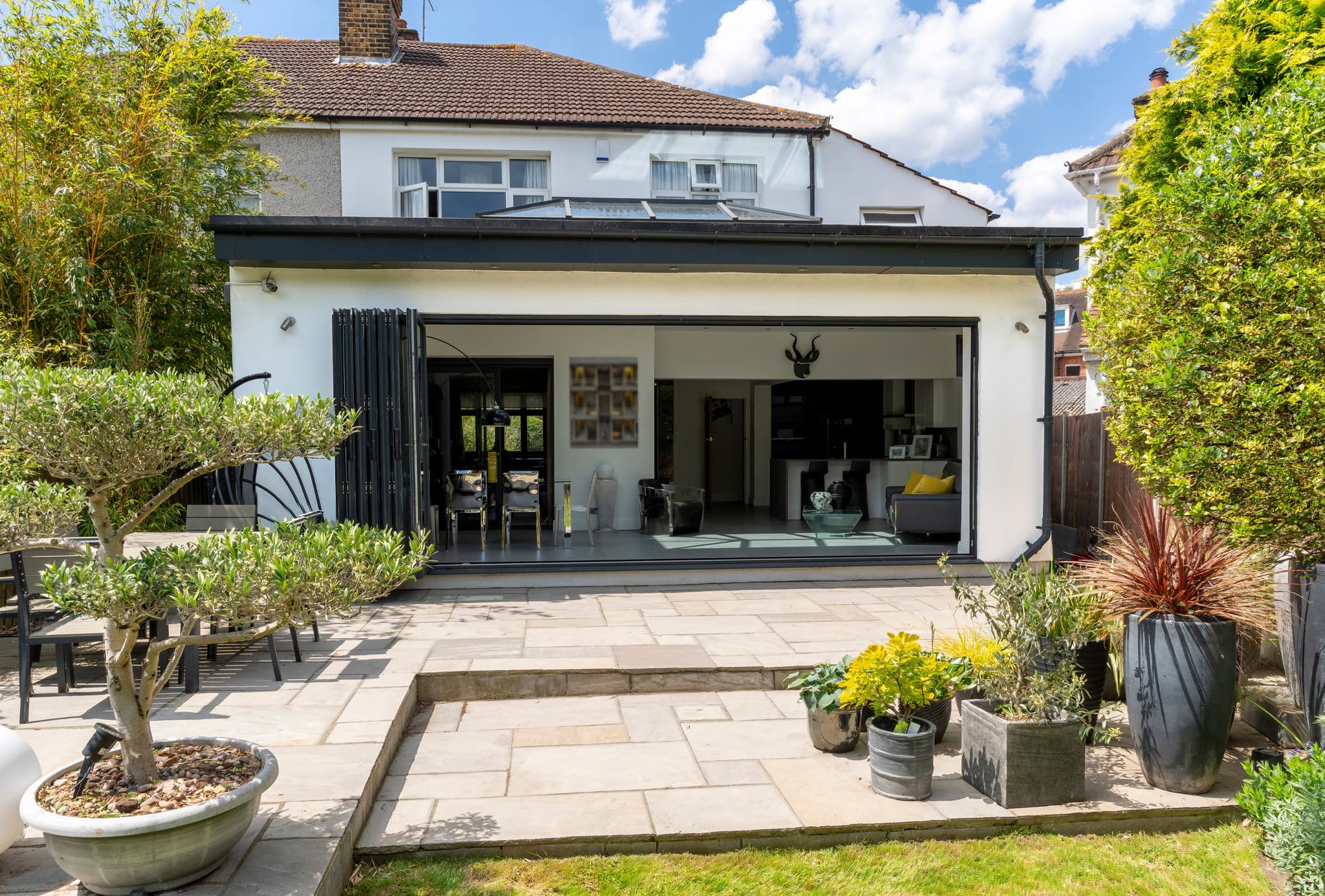
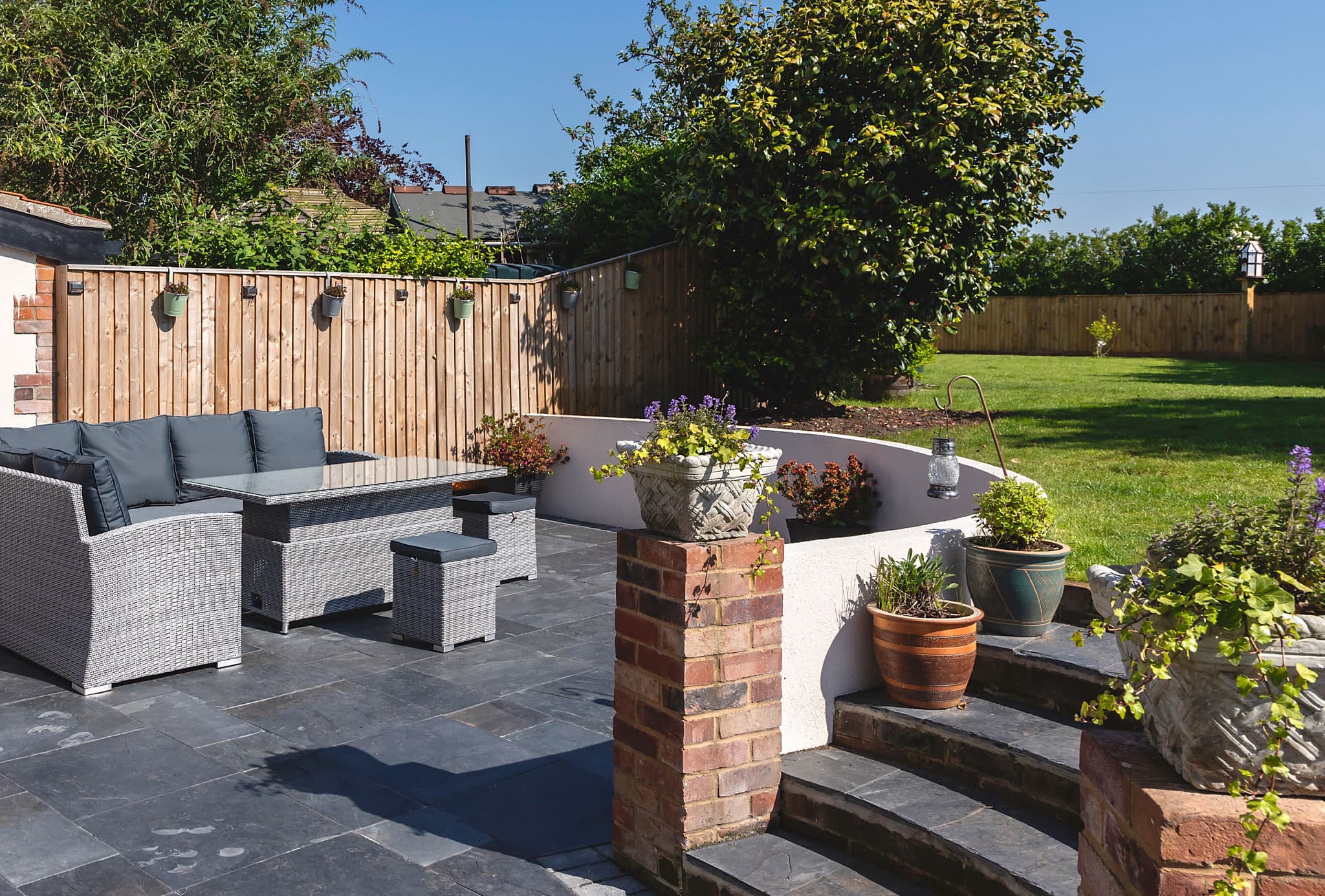
Opening windows, making use of outdoor spaces and spending time in the garden during the evening can help your home feel bigger and more connected to the outdoors.You don't need a large garden to enjoy it either. A small patio, balcony or seating area can quickly become a favourite spot for a morning coffee or an evening catch-up after a busy day.
Keep Things Simple
It's easy to feel pressure to fill every day with activities, especially during the school holidays.
In reality, some of the best summer memories are often the simplest ones. Eating outside, watching a film together, having friends round for a barbecue or simply enjoying a slower pace can be just as valuable as a packed diary.Having a comfortable home makes those moments easier to enjoy.
Stay Cool and Comfortable
Warmer weather can sometimes make homes feel stuffy, particularly during heatwaves.
Keeping blinds partially closed during the hottest part of the day, opening windows in the morning and evening, and making sure air can flow through the house can all help keep things comfortable.Light bedding and lighter fabrics around the home can also make a surprising difference.
Enjoy the Space Around You
Summer is often a reminder of why location matters just as much as the home itself.
Local parks, walking routes, cafés and attractions all become part of everyday life during the holidays. Having these things close by can make spontaneous days out much easier and help you make the most of your time together.
Moving in Summer: What to Expect and How to Prepare
Moving house in summer can feel like a good idea. Longer days, better weather, and a bit more flexibility can make the whole process seem easier.
That said, it comes with its own set of challenges. Warmer temperatures, busier schedules and higher demand for removals can all catch people out if they’re not prepared.
A bit of planning ahead can make all the difference.
Expect it to be busier than usual
Summer is one of the most popular times to move. School holidays, annual leave and better weather mean more people are trying to do the same thing at once.
If you’re using a removals company, it’s worth booking as early as you can. Leaving it too late can limit your options or push costs up.
Even things like key collection and completion times can feel a bit more stretched during busy periods, so it helps to allow a bit of flexibility in your plans.
Start packing sooner than you think
It’s easy to assume you’ve got more time in summer, but the weeks can go quickly. Starting early takes the pressure off and makes the whole process feel more manageable.
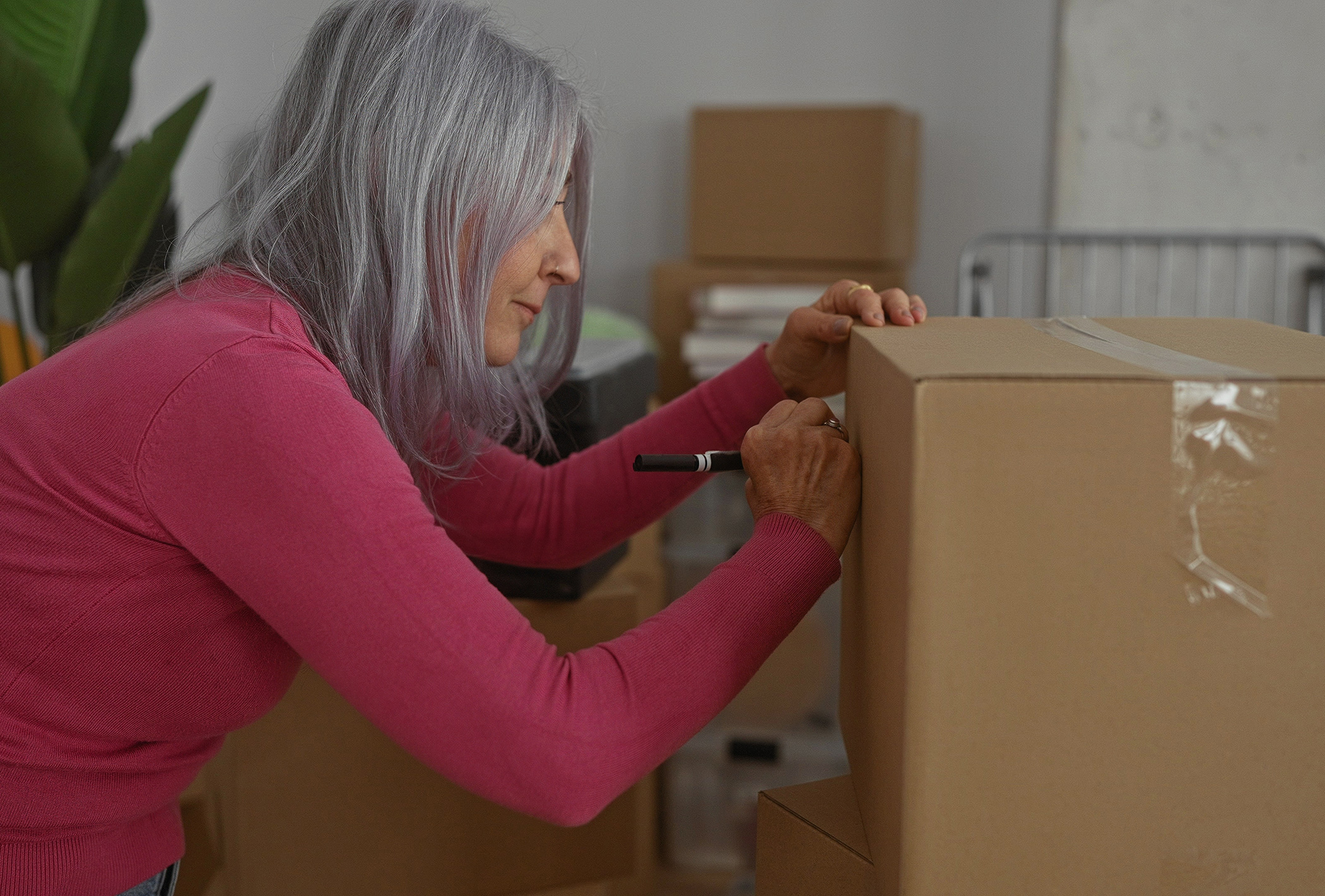
Begin with the things you won’t need straight away — decorations, spare bedding, books, and anything tucked away in cupboards. It doesn’t feel like much at first, but it soon adds up.
Working through it bit by bit is usually far easier than trying to do everything in the final few days.
Plan for the heat on the day
Moving in warm weather can be tiring, especially when you’re lifting, carrying and going back and forth.
Keeping water nearby, wearing lighter clothing and taking short breaks can help more than you might expect. If you can, try to get the heavier jobs done earlier in the day before it gets too warm.
It’s one of those things that sounds obvious, but it’s easy to overlook in the rush of moving.
Keep the essentials close
An essentials box becomes even more important in summer. Alongside the usual items — kettle, snacks, toilet roll and cleaning bits — it’s worth including things like drinks, sunscreen and a change of clothes.
Having everything easy to find saves you digging through boxes when you’re already tired.
It’s also a good idea to keep bedding accessible so you can settle in properly at the end of the day.
Take advantage of the longer days
One of the benefits of moving in summer is the extra daylight. There’s less pressure to get everything done before it goes dark, which can make the day feel a bit more relaxed.
You might not get everything unpacked straight away — and that’s fine. Focus on getting the basics sorted first, then take your time with the rest.
There’s something about spring and summer that makes you look at your outdoor space a bit differently. After months of cold weather, even a small patch of garden or a quiet patio starts to feel full of potential again.
The good news is, you don’t need a full redesign to enjoy it. A few simple changes can make it a space you actually want to spend time in.
Start with a bit of a reset
Before adding anything new, it’s worth giving the space a quick tidy. Clear away anything that’s built up over winter, wipe down surfaces, and take a step back to see what you’re working with.
It doesn’t need to be perfect — just usable. Once it feels a bit more open, it’s easier to picture how you might use it day to day.
Think about how you’ll actually use it
Not every outdoor space needs to be styled or “finished”. Sometimes it’s just about making it practical.
You might want somewhere to sit with a coffee in the morning, space for the kids to play, or a spot to unwind in the evening. Keeping that in mind helps avoid filling the space with things that look good but don’t really get used.
Keep it simple with seating
Seating is usually the thing that makes the biggest difference. It doesn’t have to be a full set — even a couple of chairs or a small bench can be enough to change how the space feels.
If you’re working with a smaller area, folding or stackable furniture can be a good option. It gives you flexibility without making things feel crowded.
Add a bit of greenery
Plants are an easy way to bring some life back into the space. You don’t need to go all out — a few pots with herbs, flowers or low-maintenance plants can be enough.
If you’re not sure where to start, choose things you’ll enjoy seeing or using. Herbs are a good option as they’re practical as well as decorative.
Lighting makes a difference
As the evenings get longer, a bit of outdoor lighting can help you make the most of it. String lights, solar lights or a simple outdoor lamp can make the space feel more inviting without much effort.
It’s one of those small changes that can make you want to stay outside a little longer.
Give it time to come together
You don’t need to get everything sorted in one weekend. Outdoor spaces tend to evolve over time.
Start with the basics, use the space, and adjust things as you go. You’ll get a much better feel for what works once you’ve spent a bit of time out there.
At Eleanor Charles Homes, outdoor space is designed to be just as considered as what’s inside — somewhere practical, comfortable and easy to enjoy as the seasons change.
Eleanor Charles HomesGardeningHot WeatherOutdoor LivingOutdoor SpaceEleanor Charles HomesGardeningHot weatherOutdoor LivingOutdoor Space
A New Tax Year: Is It Time to Revisit Your Property Plans?
The 1st of April quietly marks the start of a new financial year in the UK. It rarely gets much attention outside of accountancy emails and budget summaries, but for anyone thinking about moving, investing, or reassessing their position, it’s often a useful point to pause.
Property decisions rarely happen overnight. They tend to sit in the background for months before anything actually changes. The start of a new tax year can be a sensible moment to look at things properly.
Not emotionally. Practically.
Reviewing Where Things Stand
A lot can shift in twelve months. Income changes, mortgage deals come to an end, family needs evolve. What felt right last year might not feel quite the same now.
Some homeowners realise they need more space. Others start thinking about simplifying and reducing maintenance. For landlords, it might be a case of reviewing yields and tax efficiency. For buyers, it may simply be about understanding affordability in the current climate.
None of that requires an immediate move. But it does benefit from clarity.
Mortgage Deals and Financial Position
Many fixed-rate mortgages roll off each year, and the new tax year is often when people review their overall finances anyway.
Checking when a current deal ends, what early repayment charges apply, and what options might be available later in the year can prevent rushed decisions. Even if a move isn’t imminent, knowing the timeline matters.
A short conversation with a broker can often bring more clarity than weeks of online searching.
Selling This Year? Preparation Starts Earlier Than You Think
If a sale is likely at some point in 2025, early preparation usually pays off.
That doesn’t mean listing tomorrow. It might simply mean:
Understanding current market value
Identifying small maintenance jobs worth addressing
Reviewing paperwork and compliance documents
Considering onward plans
The homes that move smoothly are rarely the ones prepared at the last minute.
The Market Doesn’t Reset on 1st April — But Mindsets Do
The property market doesn’t suddenly change because the tax year does. However, people’s mindset often shifts around this time.
There’s a sense of drawing a line under the previous year and looking ahead. That alone can prompt decisions that have been delayed.
Sometimes that means moving forward. Sometimes it means deciding to stay put with confidence. Both are valid outcomes.
Taking a Measured Approach
Property decisions tend to work best when they’re measured rather than reactive. The start of a new financial year is simply a natural checkpoint — an opportunity to reassess, not rush.
For some, that review will confirm that now is the right time to act. For others, it will mean planning quietly in the background for later in the year.
Either way, clarity tends to make the next step easier.
Simple Ways to Live More Sustainably, All Year Round
Many of us want to live a little more sustainably - but knowing where to start isn’t always easy, especially in busy towns and cities. The good news is that living greener doesn’t mean changing everything overnight. Small, steady changes can make a real difference over time.
Taking a seasonal approach can help. Here are a few simple, realistic ways to be more eco-conscious throughout the year, without turning it into another thing on your to-do list.
Spring: small changes that grow over time
Spring is a natural time for a reset. Even without a garden, there are easy ways to bring a bit of greenery into your home.
A windowsill herb garden is a great place to start. All you need is a sunny spot, a few pots and herbs you’ll actually use. Basil, parsley, chives and thyme are all good beginner options. Mint grows well too, but it’s best kept in its own pot as it can spread quickly.
Houseplants can also help improve air quality while making your home feel calmer and more lived-in. Plants like snake plants, spider plants and peace lilies are low maintenance and don’t require much space - ideal for apartments and smaller homes.
If you don’t have room indoors, community gardens can be a great alternative. They’re a chance to grow food, learn new skills and meet people locally, even if you don’t have outdoor space of your own.
Summer: keeping cool without overusing energy
Homes in the UK are built to keep heat in, which can make warmer months feel uncomfortable. Improving airflow is often the simplest solution.
Opening windows on opposite sides of your home creates cross-ventilation, helping warm air move out naturally. Fans can also help circulate air - they use far less energy than air conditioning and are usually more than enough for most summer days.
Plants can help here too. As they release moisture into the air, they can slightly cool the space around them. Aloe vera, ferns and spider plants are particularly good options.
Water use tends to increase in summer as well. Switching to a low-flow or aerated shower head can reduce water use without affecting water pressure, making it an easy change that doesn’t impact comfort.
Autumn: buying less, using what you already have
Autumn has a habit of creeping up on us. One minute it’s still warm, the next you’re digging out jumpers and thinking about replacing things around the house.
This is a good point in the year to slow down and be a bit more mindful about what you buy - and what you throw away. Recycling is part of that, but it’s not always obvious what goes where. Rules can differ depending on where you live, so it’s worth checking what your local council accepts and where things like batteries or small electrical items can be dropped off properly.
If you’re looking to update furniture or storage, second-hand options are well worth a look. Cities in particular are full of hidden gems, from charity shops to local sellers who just want to pass things on. It’s often cheaper, more interesting, and a lot better than buying something brand new that doesn’t quite last.
You can also reuse what you already have. Old clothes that are past their best don’t have to be thrown away straight away. Soft fabrics can be turned into cushions, throws or simple blankets - even if you’re not especially crafty. Starting small is fine, and it’s a nice way to give familiar items a second life.
Winter: staying warm without overthinking it
Winter’s usually when the heating goes on earlier than planned and the lights stay on longer than you’d like. It’s easy to feel like there’s not much you can do about it - but a few small habits can make a difference without turning your home into a cold box.
Draughts are often the first thing people notice. Balcony doors, older frames, even gaps you’ve just got used to can let the cold creep in. A simple draught stopper or heavier curtains can help more than you’d expect, especially in the rooms you actually sit in.
Lighting’s another one that’s easy to overlook. If you’ve still got older bulbs in lamps or side lights, switching them out can quietly cut energy use without changing how the room feels. LEDs aren’t harsh like they used to be, and you can still get a warm, soft glow in the evenings.
Heating doesn’t have to be all or nothing either. Most people naturally spend more time in one or two rooms, so it makes sense to focus on keeping those comfortable rather than heating the whole place the same way all day. Turning things down slightly elsewhere often goes unnoticed - until the bill arrives.
None of this is about doing everything perfectly or all at once. It’s more a case of paying attention to what actually makes a difference in your own home, then sticking with what works. Those small choices tend to settle into routine before you even think about them.
Moving into a new home is exciting - but let’s be honest, it can also feel a bit overwhelming. Deciding what to take with you, what will actually fit, and what’s better off being donated or recycled is a big job in itself.
Whether you enjoy organising or tend to put it off until the last minute, a bit of planning goes a long way. Breaking the move into manageable steps can make the whole process feel far less stressful.
Start by decluttering
In the weeks before you move, go through your home room by room and set aside anything you no longer use or need. Tackling a little at a time helps avoid that "where do I even start?" feeling.
Items in good condition can be donated, while anything broken or worn out can be recycled responsibly. If you’re downsizing, this step is especially important. Larger pieces like dining tables, sideboards or sofas may not suit your new layout, so taking measurements early can save time, money and frustration later on.
Once you know what’s coming with you, make a simple packing list and begin with non-essentials - artwork, mirrors, ornaments and anything you won’t need in the final days before moving.
Packing without the stress
A few small packing tricks can make a big difference on moving day. Hanging clothes can stay on their hangers and be grouped together in large bags, saving time at the other end. Towels and soft furnishings work well for protecting dishes and fragile items, and oven gloves are surprisingly handy for wrapping sharp knives.
It's also worth packing an essentials box - things like toilet roll, cleaning wipes, bin bags, kitchen roll, scissors and a few snacks. Load this last so it's the first thing you can grab when you arrive.
An overnight bag for each family member is another simple win. Keep bedding easy to reach too - after a long day, you’ll be glad you did.
Colour-coding boxes with tape (one colour per room) makes unloading quicker and helps everyone know where things belong, especially if you’re using a removals team.
A final check before you leave
Once everything’s loaded, a quick clean of your old home is a nice way to close the door on it. Focus on areas that only become visible once furniture and appliances are moved - behind the fridge, inside cupboards, and along skirting boards. It doesn’t need to be perfect, just tidy and ready for the next owners.
Unpacking with a plan
When you arrive, start with your essentials box, then bedding and overnight bags. The kitchen and bathroom are usually the best places to tackle first, as they’re used straight away.
Unpack kitchen items onto worktops initially rather than trying to organise cupboards immediately. Living in the space for a few days will give you a better idea of what works where.
If you’re moving into a new Eleanor Charles Homes property, your home will already have been professionally cleaned before you collect the keys, which takes one job off your list straight away.
Making it feel like home
Once the boxes are mostly unpacked, you can start adding your own personality. In a new build, it’s best to wait a little while before painting or wallpapering to allow the house to settle naturally.
In the meantime, soft furnishings, artwork, lighting and plants can make a huge difference. Many people choose to focus on the lounge first - it’s where you’ll spend most of your time and where guests often gather. There’s no rush, though. Spend time getting to know the space and what feels right.
Neutral colours are a safe starting point, especially if you’re unsure of your style. You can always build on them later.
What can wait
Rooms like the utility space, garage or spare bedroom don’t need immediate attention. These areas are ideal for storing boxes you don’t need to unpack straight away. If something stays boxed up for weeks, it may be a sign you don’t really need it after all.
Outdoor spaces can also wait, especially if you’re moving during colder months. Tackle them when the weather improves and you’re ready to enjoy them.
We know how busy everyday life can be, particularly for growing families. That’s why Eleanor Charles Homes are designed with practical, well-thought-out storage - helping keep clutter out of sight and giving you more time to enjoy your new home.
Did you know that the number of people moving into new-build homes is still on the rise and looks like to continue?
If you've already begun to search for your next home, you may have something specific in mind, whether that’s a ground floor flat or a character-filled cottage. Of course, this means that quite often, new build properties don’t even make it onto most people’s thought process.
Did you know that the number of people moving into new-build homes is still on the rise?
Buying a property is one of the biggest financial and personal decisions you will make in your life, so you have to ensure that you get everything right. It’s important that you find the right home for you.
Benefits of a new build
New builds come with a lot of perks that can help moving be less stressful and in some cases, you can even get into your home straight away.
Low Running Costs and Maintenance
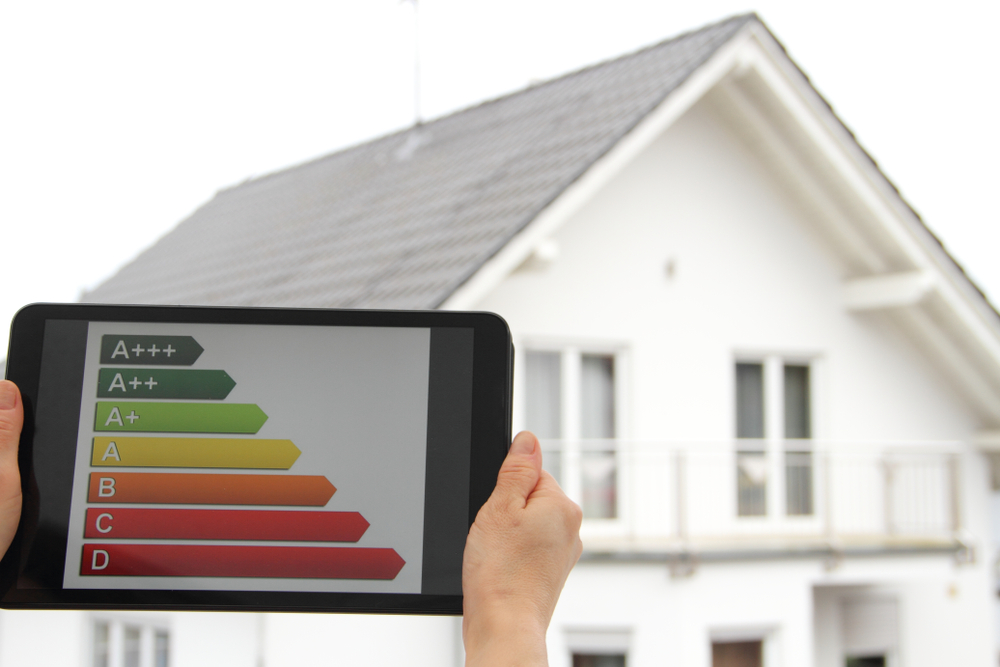
Once they're completed, new builds comply with the current building regulations. This includes the bathrooms, door openings and hallway widths as well as meeting more stringent insulation requirements. Most new builds must have an Energy Performance Certificate (EPC) and a rating of A or B.
Ready to Move into a Blank Canvas
A new build is a blank canvas, with fresh tiling and decorating, new paintwork. Kitchens and bathrooms usually come with all new appliances, so you can simply unpack your belongings and enjoy your shiny new home.
Your Own Touch in Your Home
You won’t be able to design every element of your new home, but you may have some input when it comes to elements of the design such as fittings, and colours and in some cases the layout itself.
No Chain
Though you will have no control over the chain behind you, there won’t be a chain for the buyer of a new build you will be the first primary owner so there will be not stress from moving in.
Eleanor Charles HomesMoving HouseNew Build CheshireNew Build for SaleNew HomeNew HouseEleanor Charles HomesMoving HouseNew Build CheshireNew Build for SaleNew HomeNew House
Saving Energy and Money Around The Home
With the current rise of energy costs, some of the easiest ways to reduce the feeling of the punch can be right under your nose, saving energy around the home can be the most cost effective and easiest way to reduce costs
Simply making a few adjustments around the home could improve your overall quality of life and save your wallet too.
Before we begin, one of the simplest tips is to; stick to it! By maintaining the changes and habits below, you could save even more in the long term.
To identify where the best area you could save you first my look around your home and see where you are most likely loosing energy and wasting money simply doing this may open your eyes to areas without even realising it. the guid explains the main areas of you home and where small changes can make dramatic changes to your monthly outgoings and energy bills overall and overall reducing you carbon footprint.
How you can save energy at home.
1. The Roof
Think of our roof a like a big bobble hat, the reason for is because we lose most of heat from this area; this also applies to your home roof. if the roof isn’t sufficiently insulated you could unknowingly be increasing the thermostat and compensating for the heat lost the roof is letting escape, so one of the best and biggest savers is by insulating ones roof.
2. The Bathroom
Your bathroom could be secretly costing you an additional £260 per year? As part of an average household, if each family member spent one minute less in the shower each day, you could build up a saving of £75 a year, split between both energy and water costs.
It’s also worth upgrading those leaky taps and shower heads too. By installing a shower-head that runs more efficiently for example, a saving of £70 could be made on your gas bills, as well as £115 on your overall water usage - a no brainer for some easy and low-cost home improvements.
3. Living Rooms
One of the best ways to optimise and save energy is to change your habits. This are free and can save you a considerable amount of money equating to hundreds of pounds a year. Easy ways include turning off non-essential devices and disconnect charging devices once complete, in addition not leaving TV and game consols on standby.
Draft proofing areas such as windows, doors and floors, also by replacing your traditional light bulbs with energy saving LED's. could save around £35.
Making small home improvements, it’s also important to upgrade your thermostat to a modern unit to it can effectively track your usage and you could be sabing around £75 per year. Change can seem a bit daunting but someone who is informed with a wealth of information can help you make with resources such as simply switch can help you make sure what is right for you.
By making a few of these small changes, not only are you going to benefit from yearly savings, you’re also protecting your property from future damages, such as burst pipes and unnecessary limescale build up from leaky taps.
Are you thinking of selling your property? These small changes can have a wider impact on valuations, sale prices, and the desirability of your home. By making minor home improvements, and a few habitual changes, you could see the benefits within no time at all! Don’t forget to keep track of the previous year’s utility bills, so you can easily measure the impact, no matter how big or small.
Eleanor Charles HomesEnergy BillEnergy EfficientEleanor Charles HomesEnergy Efficient
Does it matter which way your house faces?
When purchasing a property, something that often gets overlooked is the direction the property faces. The orientation of your property can affect many key factors such as ventilation, energy efficiency, and 'morning sun'. However, the perfect choice for you may not be the perfect choice for the next person, so let’s take a look at some of the pros and cons for each direction so you can make an informed decision when buying your next property:
North-Facing Homes
Pros:
Consistent Lighting: In the UK, north-facing homes have less intense sunlight, allowing for even distribution throughout the day, meaning the warmth and brightness remain soft all day.
Perfect for Artwork & Upholstery: As mentioned earlier, sunlight can cause many items to fade – the even lighting in north-facing homes helps preserve your favourite paintings and decor.
Cooler in Hot Climates: Because they avoid the midday sun, north-facing homes are often cooler and more comfortable throughout the summer, reducing the requirement for cooling appliances.
Cons:
Lack of Warmth and Sunlight: For all the benefits this has in the summer, it has the opposite effect in the winter. Your home will feel darker and cooler, meaning you may need to utilise your heating and lighting throughout the day.
Potential for Dampness: Less sunlight can lead to some negative outcomes – when there isn't enough sunlight, moisture can occur, leading to possible damp and mould.
Depressed Mood: The sun naturally improves our mood, so the lack of sunlight can lead to you feeling a little low, sad, or lethargic.
South-Facing Homes
Pros:
Plenty of Natural Light: In the UK, south-facing homes are often popular because they receive the most natural light throughout the day. This is also true through the winter months due to the sun being lower in the sky.
Energy Efficient: Important for most – south-facing homes are ideal for generating energy from solar panels and allow for passive solar heating in the colder months, reducing heating costs.
Great for Warmth: Throughout the day, sunlight comes in through windows and helps keep the house at a comfortable temperature. This reduces the need for radiators and heaters, making it an eco-friendly choice.
Cons:
Excessive Heat in Summer: Although warmer in the winter, they have the opposite effect in the summer – with the sun shining in all day, you may need to utilise blinds and spend on cooling appliances to keep your home cool.
Window Glare: The glare can interfere with everyday activities, such as watching TV, working (or playing) on a computer, or reading. Blinds or UV-blocking window films can help but reduce the natural light.
Furniture Fading: The constant sunlight can cause pictures, carpets, and furniture to fade, meaning more upkeep costs.
East-Facing Homes
Pros:
Morning Light and Air: Perfect for the early birds – the sunlight will sneak through your windows early, and the cool morning air is often fresher, making for the perfect start to the day.
Health Benefits: Experts believe the morning sun can help improve mood, sleep, and Vitamin D levels – ideal for those with seasonal mood disorders and looking for a mental boost.
Ideal for Gardens: Those with green fingers may opt for an east-facing home because the sunlight is less harsh at peak times, allowing plants to thrive while still benefitting from the early morning sun.
Cons:
Limited Afternoon Sun: If you like relaxing in the afternoon sun, east-facing may not be for you. The sunlight arrives early but also leaves early, especially in the cooler months.
Higher Heating Costs in Winter: Due to most of the sunlight shining through in the morning, as the day moves to the afternoon your interiors will be cooler, leading to higher heating costs.
West-Facing Homes
Pros:
Warm Evening Sun: Perfect for those who like to relax in their garden. The setting sun provides a warming glow and a pleasant atmosphere.
Great for Entertaining: If you like to host friends outdoors, the late light and warmer temperatures make west-facing homes ideal for barbecues and dinners.
Cooler Morning Temperatures: With no direct sunlight in the morning, west-facing homes feel cooler, leading to a comfortable start to the day.
Cons:
Intense Heat in the Afternoon: Cooler mornings often mean hot afternoons. This can lead to extra cooling costs to stop your home feeling uncomfortably warm.
Fading Furniture and Fabrics: Similar to south-facing, the strong sun through the windows can cause pictures, carpets, and furniture to fade, meaning more expense when needing to replace them.
Finally, how can you decide which direction is best for you?
We hope this blog post has helped inform you about some of the pros and cons of each orientation, but we also recommend timing your 'viewings' with this information to hand. Visiting between 10am – 11am or 2pm – 3pm helps you see the property during its 'worst' times. For example, this gives you the opportunity to observe bedroom locations and garden positions.
At the end of the day, the best-facing direction for your home is a personal choice. Think about what is important to you and determine which orientation you’d like to go for (and don’t forget the views).
Buying a HouseEleanor Charles HomesFirst Time BuyersNew HomeNew HouseBuying a houseEleanor Charles HomesHouses
How to Decorate Your Home for Easter
Easter is the perfect time to refresh your home with bright, cheerful décor that celebrates the season of renewal. From soft pastels to whimsical accents, decorating for Easter can transform your space into a festive and welcoming environment. Here’s how to bring the spirit of Easter into your home.
Create an Easter-Themed Centrepiece The dining table is a great focal point for Easter decorations. Arrange a centerpiece with fresh spring flowers like tulips, daffodils, or lilies in pastel-colored vases. Add decorative touches such as painted eggs, bunny figurines, or a nest filled with faux eggs for a charming seasonal vibe.
Use Pastel Colours Incorporate pastel tones like soft pink, lavender, mint green, and baby blue throughout your home. Use pastel table linens, cushions, or throw blankets to create a subtle but festive ambiance. These colors evoke the freshness of spring and tie in beautifully with Easter themes.
Decorate with Easter Wreaths Adorn your front door with a festive Easter wreath made of flowers, greenery, or twigs decorated with colorful eggs and ribbons. This simple addition sets a welcoming tone for guests and adds seasonal charm to your home’s exterior.
Add Whimsical Touches Easter is a playful holiday, so don’t shy away from fun decorations. Place ceramic or wooden bunnies, chicks, and lambs around your home. Add egg-shaped candles or garlands of mini eggs along shelves and mantels for a lighthearted touch.
Get Creative with Egg Displays Easter eggs are iconic decorations. Display painted or dyed eggs in bowls, glass cloches, or egg cartons for a casual but festive look. You can also hang egg ornaments on a decorative branch or small tree for an Easter egg tree centrepiece.
Embrace Natural Elements Bring the outdoors inside with natural elements like fresh greenery, potted plants, or a faux grass table runner. These accents tie in with the springtime theme and add a refreshing, organic touch to your décor.
Conclusion Decorating your home for Easter is all about embracing the joy of spring. With pastel tones, natural elements, and whimsical accents, you can create a festive atmosphere that’s perfect for celebrating the season. Whether hosting an Easter gathering or simply enjoying the holiday with family, these décor tips will ensure your home feels vibrant and welcoming.