When considering the best heating solution for new homes, several factors come into play, including efficiency, cost-effectiveness, environmental impact, comfort, and the specific needs of the homeowners. Here are some of the top heating options to consider:
Heat pumps: Heat pumps are highly efficient heating systems that extract heat from the air, ground, or water sources and transfer it into the home. They can provide both heating and cooling, making them versatile. Heat pumps are known for their energy efficiency, as they use electricity to move heat rather than generating it directly. They work well in moderate climates and can significantly reduce energy consumption and costs.
Radiant floor heating: This system involves installing pipes or electric heating elements beneath the floor, which radiate heat upward, warming the room from the ground up. Radiant floor heating offers even heat distribution, eliminates the need for visible heating units, and provides excellent comfort. It can be powered by various energy sources, such as gas, electricity, or geothermal heat pumps.
Geothermal heating: Geothermal heat pumps utilize the constant temperature of the earth to heat and cool homes. They circulate a fluid through underground pipes, absorbing heat during the winter and dissipating it in the summer. Geothermal systems are highly efficient and environmentally friendly, but they can be expensive to install due to the need for drilling or digging.
High-efficiency gas furnaces: Gas furnaces are a popular choice due to their reliability and widespread availability of natural gas. High-efficiency models use condensing technology to extract more heat from the combustion process, reducing energy waste. They provide fast and effective heating, particularly in colder climates. It's important to ensure proper installation and regular maintenance to maximize safety and efficiency.
Solar heating systems: Solar heating utilizes the sun's energy to provide heat through solar panels or solar thermal collectors. These systems can be combined with radiant floor heating or other distribution methods. Solar heating is environmentally friendly and can significantly reduce energy costs over time. However, the effectiveness depends on the amount of sunlight available in the area.
It's essential to consider factors such as the climate, energy costs, availability of energy sources, upfront and long-term costs, and personal preferences when choosing the best heating solution for a new home. Consulting with HVAC professionals and considering energy efficiency ratings and environmental impact can help in making an informed decision.
The oppressive temperatures of a heatwave can have far-reaching impacts, from risks to human health to destroying crops and increasing the risk of wildfires. In 2019, extreme heat is estimated to have caused the deaths of 356,000 people worldwide, according to one set of estimates, making it one of the most dangerous yet overlooked natural hazards. While there is still a great deal of uncertainty about toll that heatwaves take (the World Health Organization estimates 166,000 people died between 1998 and 2017, by comparison), there is little doubt that the number of people exposed to heatwaves around the world is increasing.
How do you stay cool in a heatwave?
It's crucial to stay cool in hot weather as it can have serious effects on your health. Fortunately, there are some simple steps you can take to find relief when the temperatures climb to uncomfortable levels.
You should also think twice before you open all the windows of your house to keep cool – if the temperature if higher outside than inside, you might lose a possible cool haven. Close the curtains in rooms where they face the sun instead.
One of the easiest ways to stay cool can be to take advantage of the temperature change in the air when water evaporates. Taking a cold shower or a swim can help you cool down quickly.
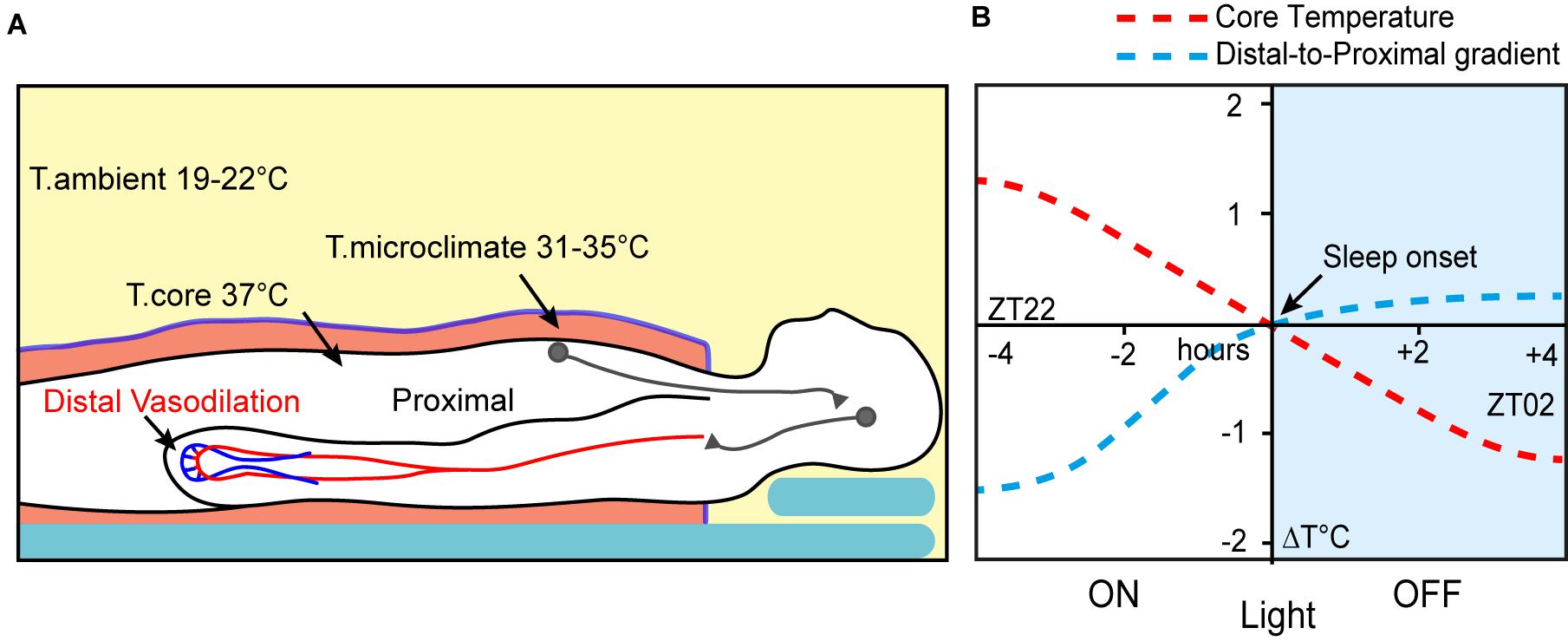
The human body's ideal temperature lies between 35.01C and 37.76C (95-99.9F), depending on how it is measured, although most medical experts accept an average of 36.8C (98.2F). When the surrounding air nears or exceeds this temperature, particularly when humidity is high, the body's ability to cool itself weakens.
How to stay hydrated in the heat
Keeping hydrated is a consistent public health message – for decades we've been urged by health authorities to consume as much as six to eight glasses worth of water a day, or 2-3 litres. But when temperatures rise, the need to keep fluids up is even more important.
Without a continual topping up of water (which makes up between 60% and 70% of our body weight) we start to dehydrate. The first reliable sign of dehydration is increasing thirst, when around 2% of body weight has been lost. Dehydration occurs more quickly with physical exertion or exercise. Even mild dehydration can cause fatigue and tiredness, and overheating as the body stops sweating to preserve water.
Many of us instinctively reach for a glass of water, but it may not always be the best option. Milk may, in some cases, be better, as it contains small amounts of salt and sugar which can be lost through sweating. Coconut water also contains vital elements lost through excess perspiration.
1. Lighting
There are plenty of options to choose from, both practical and on trend. Possibilities include citronella candles which can help to keep those bugs at bay but for something super stylish, why not hang festoon lights or oversized lanterns from trees and bushes to create a magical effect.
2. Seating and furniture
If you’re planning on making the most of your outdoor space and socialising with friends into the evening, then comfort is king. Make sure you buy appropriate furniture for lounging as well as dining. A pagoda or gazebo is always a good idea to provide much needed shade or rain protection. Children love the freedom of the garden so throw down some blankets and cushions for them so they can eat and play as they wish and keep the big comfy seating for the grown-ups.
3. Home grown
Make the most of the summer harvest by using as much as you can from the garden. Lavender can make a lovely table centrepiece and utilising home grown fresh fruit and veg in your salads and pudding can only serve to impress your guests and show off (or pretend) how green fingered you are.
4. Fire pits
Choose the one that’s right for your garden space. Large ones may offer more in terms of heat and lighting but there are more compact gel fuel alternatives that provide a decorative option and can even fit on a suitable table, ideal for smaller patio areas. Some garden tables even come with a small fire pit built in.
5. Dressing your space
You’d choose a colour scheme for the inside of your house, so do the same for your outside space. For ease, you can opt for a similar style to your interior design scheme and give some of your colourful cushions an outside airing to add interest to plain furniture. Colourful furniture is available to buy but for longevity it may be better to plump for funky accessories.
Efficient movingGreen HomeHayman's CornerNew HomeNew HouseOutdoor LivingCreate The Perfect Outdoor Living RoomHayman's CornerMansfield WoodhouseNew development in NottinghamNew HousesProperty
A few reasons as to why...
YOU SHOULD BUY A NEW BUILD!
Your home will be green, clean and more eco-friendly
Developers are beginning to construct new build homes to help the outside whilst you stay cosy on the inside. With rising concerns about climate change and preserving local wildlife, developers are forced to conduct an environmental study of any possible construction site to evaluate any impact on surrounding nature and wildlife. Also with the introduction of tougher regulations, new build homes are 60% more energy efficient than period homes. Features such as solar panels and insulation are essential to ensure that energy is sustainable and that warm air is kept inside, meaning a much lower energy bill for the happy homeowner!
Your home will be stylish and affordable
With new build homes come new, up to date features. Being able to observe the structural problems of period homes, developers have been able to cover all angles to create luxurious yet practical abodes. Hayman's new builds are build so that you can make the most out of the space you have making it a social environment to be in.
Your home will be in a great location with connection to great transport links on your doorstep
When looking for a new home, it’s important that we stay connected with friends and family no matter how far away they may be. Many new build homes are designed to accommodate and eradicate the hassles that are put upon commuters by developing sites close to easy transport links. Mansfield Woodhouse train station is less than a 10 minute walk and operates a regular direct service to the centres of Nottingham, Worksop, Lincoln, Grantham and Loughborough.
Now we know that us Brits are a nation obsessed with period properties – the character, the fireplaces, the bay windows – but as we’ve shown with the reasons above, buying a new home has some serious advantages! Especially for home hunters who may be struggling to buy on the open market, new build properties offer a viable and affordable alternative to period homes and you can put your own touch on them, they're like a blank canvas, with high quality of the fixtures and fittings, coupled with the significant savings on energy bills, should convince more and more people to explore their options when it comes to buying new homes.
Energy EfficientGreen HomeHayman's CornerNew HomeNew HouseEnergy EfficientGreen HomeHayman's CornerMansfield WoodhouseNew development in NottinghamNew HousesProperty