As the temperatures decrease and the price of gas increases, there are a number of ways you can save on your energy bill this winter without shivering in your boots.
A light bulb moment
By upgrading your lighting to LEDs, you can dramatically reduce your home's energy costs over time! Not only will these bulb replacements pay for themselves in no time, they also last much longer than their traditional counterparts. Get illuminated with LED and start saving today!
Through their low electrical consumption and long lifespan, it costs less to use an LED bulb, over the long term, than a fluorescent or incandescent bulb.
LED bulbs not only save you money but also look out for the environment. Most importantly, they help contribute to reducing your carbon footprint so that everyone can enjoy an eco-friendly future!
One degree cooler
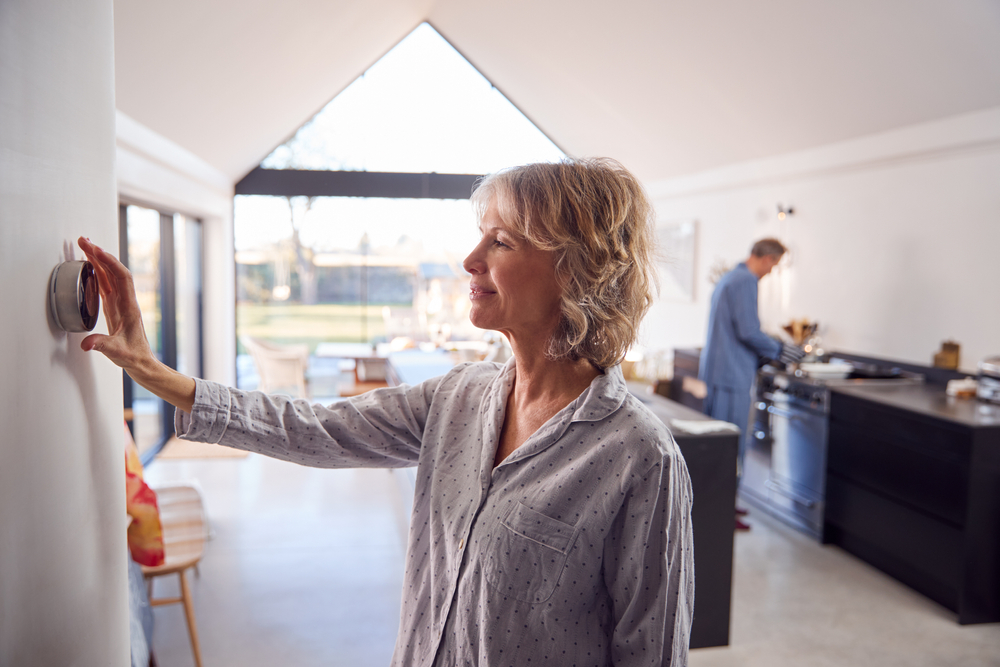
You could save up to 10 percent of your heating bill by turning down your thermostat by just one degree.
Most families are happy with a setting somewhere between 18˚C and 21˚C, but keep adjusting the thermostat by one degree until you find a setting you are happy with.
Keep your home comfortable while saving energy with a programmable thermostat - set it to preheat in the morning before you rise, lower during away hours and keep cozy when you come back. Customize temperature settings for each day of the week without sacrificing convenience!
Heating water in your home uses a considerable amount of energy and accounts for about 18 percent of your home’s energy usage.
Looking to save money on energy bills? Consider reducing your water's temperature - it may be higher than necessary. Adding a blanket around the heater, and insulating exposed pipes can make all the difference in keeping costs down!
Switch it off
You can save approximately £35 a year by turning all appliances off standby mode when they’re not in use. Make sure you unplug them too, as they can still use energy when switched off but are plugged in.
Leaving lights off when you're away from home or out of a room can help your wallet thrive, especially in the winter months. Make sure to save money and energy by turning them off!
You could also save an additional £22 a year from your energy bill just by using your kitchen appliances more carefully. Try using your dishwasher and washing machine just once a week and you could save £8 a year for each appliance.
Boil smarter - only fill your kettle with the amount of water you need today, to ensure that no unnecessary energy is wasted heating up excess water.
Invest in solar
Solar panels are an easy way to get money back in your pocket! Installation of a 4kW system costing between £5,000 and £7,000 can save the average family home about £800 off their electricity bills every year. Covering up to 28 sqm of roof space is all it takes for those savings - so why not give solar energy a chance?
A 4kWh solar panel system could earn homeowners around £700 a year from a supplier just for producing solar electricity. Additionally, around £150 would be subtracted from their bills for using their own power.
With solar power, you can turn your home into an energy-producing powerhouse. By submitting a successful application to your supplier, you'll be rewarded for every kWh of electricity generated – making the sun's rays work hard for you!
If you’re thinking of moving, chances are you’ve pictured yourself in your new home in time for the end of the year. What better place to spend the festive season, and kick off 2023, than in your new pad.
Why is moving home taking so long at the moment?
From the time a home is marked sale agreed, it currently takes 150 days on average to reach that all-important completion day. But that’s 50 days longer than during the same period in 2019.
It’s taking longer for home-buyers to get into their new homes because there’s a backlog in the conveyancing process: the thing that happens between having an offer accepted, and getting the keys to your new home.
According to Right Move there are currently more than half a million homes sold subject to contract, with buyers eagerly awaiting completion. That’s 44% more than in 2019.
While there’s been a slight easing in buyer demand since last month, this isn’t going to be enough to ease the delays we’re currently seeing. With lots of people still wanting to move, estate agents are still looking for buyers who are likely to result in a sale going through as quickly as possible.
The home moving timeline
There are a number of plates you’ll have to spin when moving home, including the buying and selling of properties. Below, we’ve included a run-down of what’s involved and how long you can expect each phase to take. It’s worth bearing in mind that if you’re a first-time buyer, this process could take significantly shorter than those involved in a lengthy chain.
The oppressive temperatures of a heatwave can have far-reaching impacts, from risks to human health to destroying crops and increasing the risk of wildfires. In 2019, extreme heat is estimated to have caused the deaths of 356,000 people worldwide, according to one set of estimates, making it one of the most dangerous yet overlooked natural hazards. While there is still a great deal of uncertainty about toll that heatwaves take (the World Health Organization estimates 166,000 people died between 1998 and 2017, by comparison), there is little doubt that the number of people exposed to heatwaves around the world is increasing.
How do you stay cool in a heatwave?
It's crucial to stay cool in hot weather as it can have serious effects on your health. Fortunately, there are some simple steps you can take to find relief when the temperatures climb to uncomfortable levels.
You should also think twice before you open all the windows of your house to keep cool – if the temperature if higher outside than inside, you might lose a possible cool haven. Close the curtains in rooms where they face the sun instead.
One of the easiest ways to stay cool can be to take advantage of the temperature change in the air when water evaporates. Taking a cold shower or a swim can help you cool down quickly.
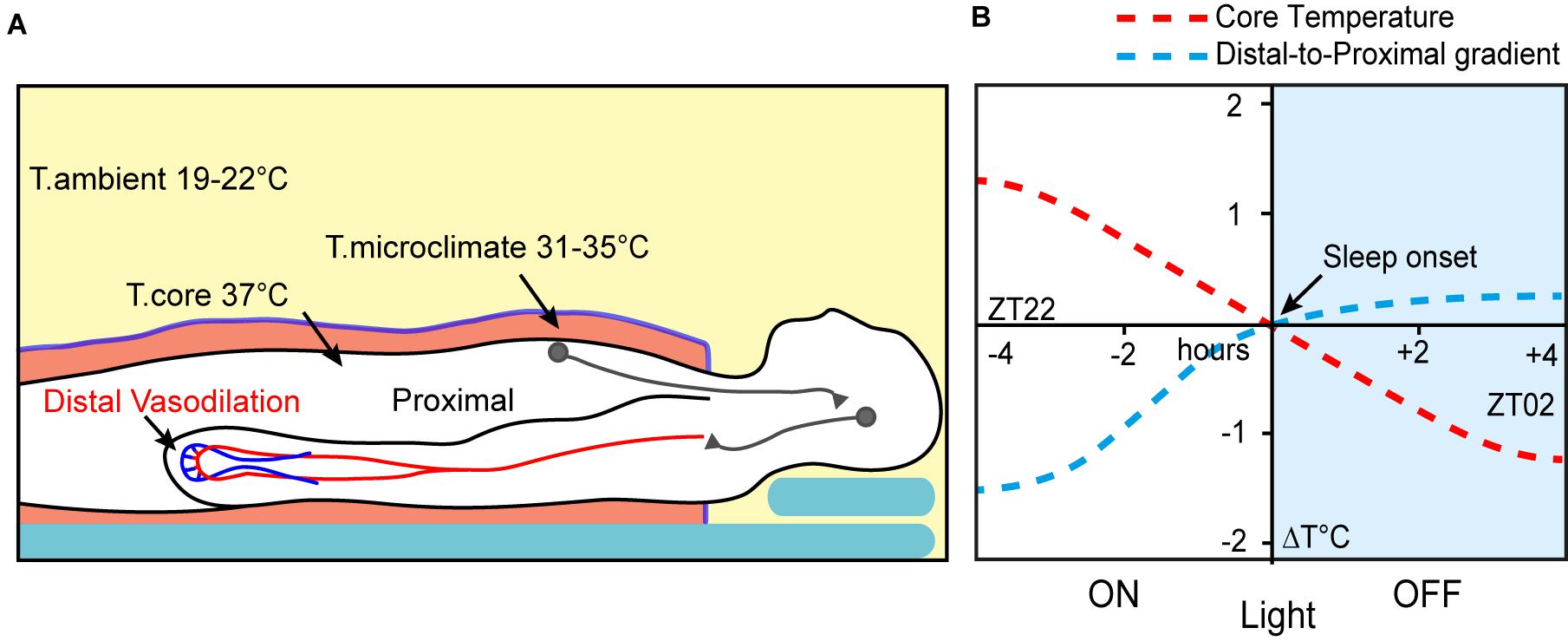
The human body's ideal temperature lies between 35.01C and 37.76C (95-99.9F), depending on how it is measured, although most medical experts accept an average of 36.8C (98.2F). When the surrounding air nears or exceeds this temperature, particularly when humidity is high, the body's ability to cool itself weakens.
How to stay hydrated in the heat
Keeping hydrated is a consistent public health message – for decades we've been urged by health authorities to consume as much as six to eight glasses worth of water a day, or 2-3 litres. But when temperatures rise, the need to keep fluids up is even more important.
Without a continual topping up of water (which makes up between 60% and 70% of our body weight) we start to dehydrate. The first reliable sign of dehydration is increasing thirst, when around 2% of body weight has been lost. Dehydration occurs more quickly with physical exertion or exercise. Even mild dehydration can cause fatigue and tiredness, and overheating as the body stops sweating to preserve water.
Many of us instinctively reach for a glass of water, but it may not always be the best option. Milk may, in some cases, be better, as it contains small amounts of salt and sugar which can be lost through sweating. Coconut water also contains vital elements lost through excess perspiration.
With almost no effort at all, pets manage to bring so much joy into our lives. They make us laugh, comfort us when we’re sick or upset, and are always there for us no matter what. It’s no wonder that an estimated 12 million British households choose to keep a pet.
Here's a few benefits to having your furry friends!
They keep you fit
All breeds of dog need regular, daily walks in order to stay happy and healthy, and so do we! However, we sometimes have the tendency to get a bit lazy – if that sounds like you, a dog is the perfect cure! They’ll be dragging you out the front door and making you run around the park each and every day. Yes, a dog is possibly the best personal trainer you could ask for.
They make sure you're never lonely
If you live by yourself, or your partner works different shift patterns to you, it can get awfully lonely at home – unless you have a pet, of course! Cats and dogs make great companions – they’ll always be waiting for you to come home and they’ll be happy to lend an ear should you want to moan about the awful day you’ve had. Plus, most of the time, they’re up for a snuggle on the sofa.
They make you feel safe
Not everyone likes being home alone, but having a cat or dog there can make you feel a lot safer. Plus, burglars are less likely to target a house that’s clearly home to a dog. Some breeds make excellent guard dogs and will even protect you when you’re out for a run or walk.
They can help you make friends
The pet owner community is an incredibly friendly one – you’ll often find that people will stop to talk to you about your dog in the park. Having a pet is a great way to meet new people and create bonds quickly, especially if you’re not too good at small talk. You never know, owning a dog may help you meet the love of your life!
They lower your stress levels
Modern life is stressful and high levels of anxiety can lead to numerous health problems. Luckily, pets can really help us relax – stroking your cat or simply watching fish swim around in a tank can make your worries melt away.
5 hacks for dressing your house to sell1) Define your rooms
Rooms are more appealing to buyers if they have a specific purpose. Make sure each room is set for its designated purpose – if it’s a three-bedroom house make sure it is just that, as bedrooms add more value to properties than studies or store rooms.
2) De-clutter and clean
Clutter can make your home seem small and disorganised, so de-cluttering will help buyers to visualise how the house will look when they’ve moved in. Minimise lotions and potions in the bathroom, put excess clothes away, thin out books on the bookcase and clear surfaces in the kitchen. Then it’s time to give everything a thorough clean and light some scented candles to make your home even more inviting.
3) Natural colours
Most buyers prefer natural colours to bold tones as they can make a room feel brighter and more spacious. Splashes of colour can be added with accessories and the right lighting can also help to enhance the space.
4) Make an impression
First impressions really do count. You can maximise your home’s kerb appeal by making sure there is no litter in the front garden, pathways are clear and the front door is painted. Plant pots can add a splash of colour and you can always take them with you when you go. The hallway is equally important – a mirror can make it look bigger and create that wow-factor as people cross the threshold.
5) Do those DIY jobs
If there are DIY jobs that you’ve been putting off for ages, start working your way through them. Dripping taps, broken blinds, peeling paint and squeaky hinges are all off-putting to buyers and can be fixed quickly and easily.
Five hacks for packing and moving1) Separate the essentials
Pack an overnight bag for each family member and use a clear plastic box to keep your daily essentials together (kettle, mugs, teabags etc) so you can access them easily during and after the move.
2) Label Label Label
Buy a pack of parcel labels in different sizes, colour coded if you’re really serious, and label every box with the room and main contents. You can also use labels on chargers and cables to remember what goes with which device, as well as labelling items that are to be donated to charity, binned or sold.
3) Invest in good boxes
Decent boxes can be used time and time again, folded down or used to keep your loft tidy. So buying good quality boxes is always a solid investment. You may even be able to source these for free from shops but make sure they’re strong and not too large otherwise you won’t be able to move them once they’re full.
4) Save bags of time when packing clothes
Save time when packing your wardrobe contents by keeping all of your clothes on their hangers and placing a tie top bin bag over the bottom. You can then tie the tops around the hangers and your clothes are ready to be hung up as soon as they are in the new house.
5) Ask your friends and family for help and offer a ‘reward’
While moving can be stressful, having friends and family to help can actually make it fun. And if you sweeten the deal, perhaps with the offer of a takeaway at the end of it, you may find you have even more willing volunteers.
Efficient movingHayman's CornerMoving HouseNew HomeNew HouseTips for moving houseEfficient movingEnergy EfficientHayman's CornerMansfield WoodhouseNew development in NottinghamNew HousesPropertyTips & Tricks to Moving House
Reasons why buyers prefer a new home vs used
Design Your Dream Home Your Way:
Why settle for someone else's choices when you can select your favorite cabinets, countertops, appliances, carpets and flooring? While you're at it, you can choose gorgeous bath and kitchen fixtures, lighting and other options that you love. Your new home will reflect your style, not someone else's taste it's a win win situation.
Choose a Floor Plan and Room Layout that Meets Your Needs:
Want a master bedroom on the first floor? It's all yours. With massive his and her's walk-in closets? Done! Want high ceilings and a luxurious, resort-style master bath? Perhaps you'd like a sitting room with a fireplace! It's easy, when you build your way.
It's Low Maintenance:
Building a house from scratch can be tough to begin with but once thats out of the way you should be in for an easy ride! Today's new homes have open floor plans and high ceilings that reflect the way we live today. They're also made of cutting-edge building products that require less care and maintenance. Another plus? The latest building systems and components are designed and engineered to work together. Ultimately leading to less problems and lower cost!
A used home was someone else's dream, but not yours. It reflects their choices and family memories, not yours. You may learn to love those pink peace appliances (and you may be willing to scrub stained countertops or grease-encrusted ovens and cooktops)!
All in all, new homes offer the latest design, equipment and comfort, something you can tailor to suit your individual taste and needs, it would be all yours.
Energy EfficientHayman's CornerNew HomeNew HouseEnergy EfficientHayman's CornerMansfield WoodhouseNew development in NottinghamNew HousesProperty
A few reasons as to why...
YOU SHOULD BUY A NEW BUILD!
Your home will be green, clean and more eco-friendly
Developers are beginning to construct new build homes to help the outside whilst you stay cosy on the inside. With rising concerns about climate change and preserving local wildlife, developers are forced to conduct an environmental study of any possible construction site to evaluate any impact on surrounding nature and wildlife. Also with the introduction of tougher regulations, new build homes are 60% more energy efficient than period homes. Features such as solar panels and insulation are essential to ensure that energy is sustainable and that warm air is kept inside, meaning a much lower energy bill for the happy homeowner!
Your home will be stylish and affordable
With new build homes come new, up to date features. Being able to observe the structural problems of period homes, developers have been able to cover all angles to create luxurious yet practical abodes. Hayman's new builds are build so that you can make the most out of the space you have making it a social environment to be in.
Your home will be in a great location with connection to great transport links on your doorstep
When looking for a new home, it’s important that we stay connected with friends and family no matter how far away they may be. Many new build homes are designed to accommodate and eradicate the hassles that are put upon commuters by developing sites close to easy transport links. Mansfield Woodhouse train station is less than a 10 minute walk and operates a regular direct service to the centres of Nottingham, Worksop, Lincoln, Grantham and Loughborough.
Now we know that us Brits are a nation obsessed with period properties – the character, the fireplaces, the bay windows – but as we’ve shown with the reasons above, buying a new home has some serious advantages! Especially for home hunters who may be struggling to buy on the open market, new build properties offer a viable and affordable alternative to period homes and you can put your own touch on them, they're like a blank canvas, with high quality of the fixtures and fittings, coupled with the significant savings on energy bills, should convince more and more people to explore their options when it comes to buying new homes.
Energy EfficientGreen HomeHayman's CornerNew HomeNew HouseEnergy EfficientGreen HomeHayman's CornerMansfield WoodhouseNew development in NottinghamNew HousesProperty