If you’re thinking of moving, chances are you’ve pictured yourself in your new home in time for the end of the year. What better place to spend the festive season, and kick off 2023, than in your new pad.
Why is moving home taking so long at the moment?
From the time a home is marked sale agreed, it currently takes 150 days on average to reach that all-important completion day. But that’s 50 days longer than during the same period in 2019.
It’s taking longer for home-buyers to get into their new homes because there’s a backlog in the conveyancing process: the thing that happens between having an offer accepted, and getting the keys to your new home.
According to Right Move there are currently more than half a million homes sold subject to contract, with buyers eagerly awaiting completion. That’s 44% more than in 2019.
While there’s been a slight easing in buyer demand since last month, this isn’t going to be enough to ease the delays we’re currently seeing. With lots of people still wanting to move, estate agents are still looking for buyers who are likely to result in a sale going through as quickly as possible.
The home moving timeline
There are a number of plates you’ll have to spin when moving home, including the buying and selling of properties. Below, we’ve included a run-down of what’s involved and how long you can expect each phase to take. It’s worth bearing in mind that if you’re a first-time buyer, this process could take significantly shorter than those involved in a lengthy chain.
The oppressive temperatures of a heatwave can have far-reaching impacts, from risks to human health to destroying crops and increasing the risk of wildfires. In 2019, extreme heat is estimated to have caused the deaths of 356,000 people worldwide, according to one set of estimates, making it one of the most dangerous yet overlooked natural hazards. While there is still a great deal of uncertainty about toll that heatwaves take (the World Health Organization estimates 166,000 people died between 1998 and 2017, by comparison), there is little doubt that the number of people exposed to heatwaves around the world is increasing.
How do you stay cool in a heatwave?
It's crucial to stay cool in hot weather as it can have serious effects on your health. Fortunately, there are some simple steps you can take to find relief when the temperatures climb to uncomfortable levels.
You should also think twice before you open all the windows of your house to keep cool – if the temperature if higher outside than inside, you might lose a possible cool haven. Close the curtains in rooms where they face the sun instead.
One of the easiest ways to stay cool can be to take advantage of the temperature change in the air when water evaporates. Taking a cold shower or a swim can help you cool down quickly.
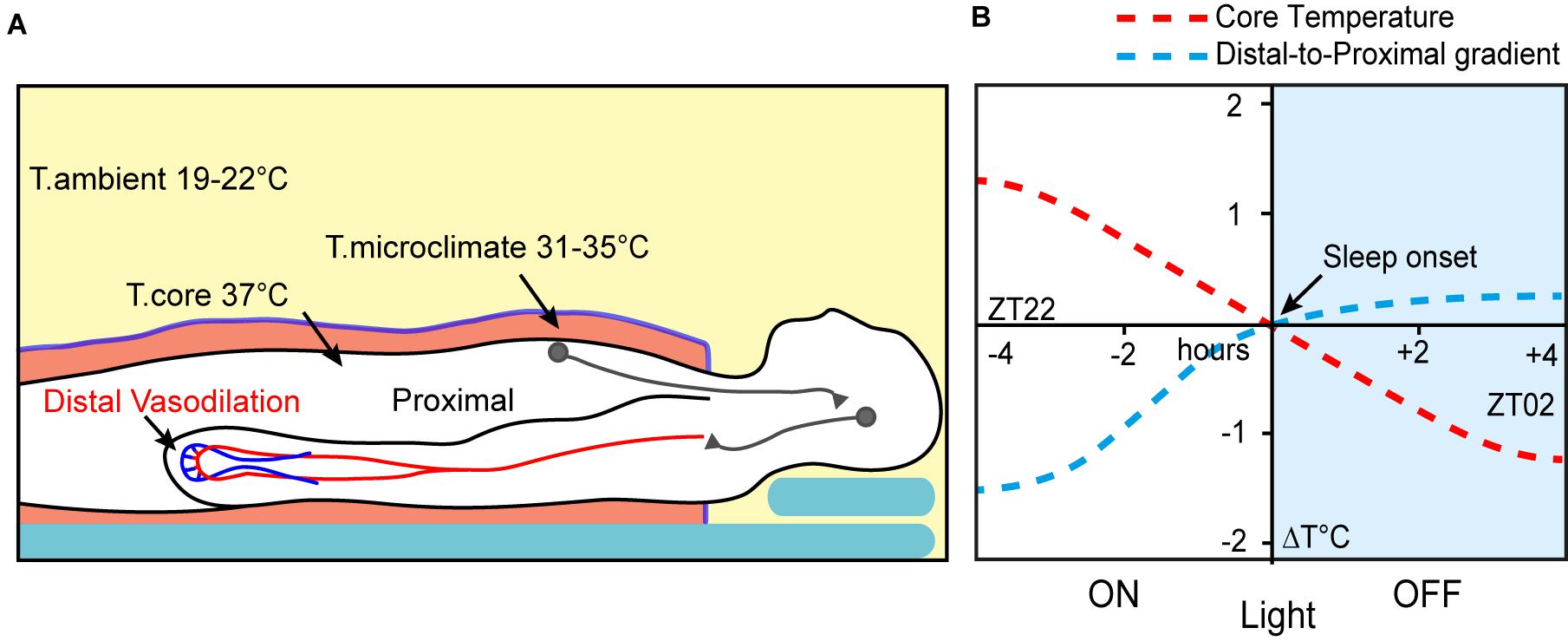
The human body's ideal temperature lies between 35.01C and 37.76C (95-99.9F), depending on how it is measured, although most medical experts accept an average of 36.8C (98.2F). When the surrounding air nears or exceeds this temperature, particularly when humidity is high, the body's ability to cool itself weakens.
How to stay hydrated in the heat
Keeping hydrated is a consistent public health message – for decades we've been urged by health authorities to consume as much as six to eight glasses worth of water a day, or 2-3 litres. But when temperatures rise, the need to keep fluids up is even more important.
Without a continual topping up of water (which makes up between 60% and 70% of our body weight) we start to dehydrate. The first reliable sign of dehydration is increasing thirst, when around 2% of body weight has been lost. Dehydration occurs more quickly with physical exertion or exercise. Even mild dehydration can cause fatigue and tiredness, and overheating as the body stops sweating to preserve water.
Many of us instinctively reach for a glass of water, but it may not always be the best option. Milk may, in some cases, be better, as it contains small amounts of salt and sugar which can be lost through sweating. Coconut water also contains vital elements lost through excess perspiration.
Moving into a new home, setting up a new kitchen? Check out our guide to what you'll actually use in the kitchen.
Chef's Knife
A good knife is a chef’s best friend. This is one of the few things that you’ll thank yourself for investing in. Carbon-plated stainless steel will stay sharp over time, but go to a specialty store to find the best match for you. Choose a knife that you feel comfortable handling. It should feel balanced in your hand, easy to hold and control, not too heavy, but definitely not flimsy. Believe us, you’ll be using it a lot, so take good care of it.
Metal Spatula
A sturdy metal (or high-quality plastic) spatula is vital for flipping, tossing, and serving all kinds of foods. Think eggs over easy, puffy pancakes, roasted veggies, sauteed meats, baked salmon…we could go on.
Whisk
Sturdy metal whisks come in all shapes and sizes. Choose a mid-sized whisk with a handle that fits comfortably in your hand. Use it to mix dry ingredients together before baking, stir eggs for a frittata or emulsify a vinaigrette.
Slotted Spoon
Whether it’s wooden or metal, a perforated (or slotted) spoon acts like a miniature strainer, removing solids from liquids—think pulling potatoes or small pasta noodles from boiling water.
Instant-read Thermometer
Easily (and quickly) check to see if your meats have cooked enough.
Saucepans
A large saucepan is essential for making pasta, boiling potatoes or corn, and simmering big batches of soups and broths. Look for a 5- or 6-quart size. A smaller saucepan (1.5 or 2.5 quarts) comes in handy for smaller items, like boiled eggs, rice and porridge.
Immersion Blender
This handheld tool makes it so easy to blend soups, smoothies, and pestos with the push of a button. I find much easier to handle than a traditional blender, and it’s great because it takes up much less space, too.
Colander
Wash fruits and drain pasta, veggies and other boiled foods. I like a colander that can balance on the edges of my sink, but a classic footed colander is just fine. Look for metal or ceramic, which are sturdier than plastic.
Prep Bowls
This might sound like a no brainer, but it’s important to have a variety of mixing bowls. Get ones that are metal or glass because they’re less porous than plastic. They won’t pick up stains or odours.
Cutting Board
A sturdy, stable surface is essential when it comes to prepping your food. A wooden cutting board will help protect your knife from dulling quickly, as well as make cleanup a breeze
With almost no effort at all, pets manage to bring so much joy into our lives. They make us laugh, comfort us when we’re sick or upset, and are always there for us no matter what. It’s no wonder that an estimated 12 million British households choose to keep a pet.
Here's a few benefits to having your furry friends!
They keep you fit
All breeds of dog need regular, daily walks in order to stay happy and healthy, and so do we! However, we sometimes have the tendency to get a bit lazy – if that sounds like you, a dog is the perfect cure! They’ll be dragging you out the front door and making you run around the park each and every day. Yes, a dog is possibly the best personal trainer you could ask for.
They make sure you're never lonely
If you live by yourself, or your partner works different shift patterns to you, it can get awfully lonely at home – unless you have a pet, of course! Cats and dogs make great companions – they’ll always be waiting for you to come home and they’ll be happy to lend an ear should you want to moan about the awful day you’ve had. Plus, most of the time, they’re up for a snuggle on the sofa.
They make you feel safe
Not everyone likes being home alone, but having a cat or dog there can make you feel a lot safer. Plus, burglars are less likely to target a house that’s clearly home to a dog. Some breeds make excellent guard dogs and will even protect you when you’re out for a run or walk.
They can help you make friends
The pet owner community is an incredibly friendly one – you’ll often find that people will stop to talk to you about your dog in the park. Having a pet is a great way to meet new people and create bonds quickly, especially if you’re not too good at small talk. You never know, owning a dog may help you meet the love of your life!
They lower your stress levels
Modern life is stressful and high levels of anxiety can lead to numerous health problems. Luckily, pets can really help us relax – stroking your cat or simply watching fish swim around in a tank can make your worries melt away.
Moving away from home for the first time can sometimes require you to make some adjustments to your lifestyle. One of the hardest but important hurdles of being a student is finding a balance between your academic and social life.
Being presented with this new found freedom can be very challenging, especially if you struggle with self-discipline. It can be quite tempting to use your time at university to focus on the ‘student’ experience, but cultivating some good work practices now will set you up for future success.
Benefits of Breakout & Communal Space within your Student Accommodation
It is important to set aside some relaxation time or short ten minute breaks when studying. Taking breaks and doing something completely different allows the brain time to absorb the information and reduces stress levels.
Modern student accommodation provides entertainment, communal and fitness facilities which allows students to manage time more effectively by having all amenities in one area. The ability to have the option of break out space to play pool with friends, or retreat to study is not one which requires a lot of time nor effort. The convenience of having such facilities can help students with their time management.
The Importance of a Dedicated Study Space
A study space minimises the stress of having to physically go to the library and find that perfect spot that isn’t too noisy, too quite or too crowded.
Having a dedicated study area prompts your brain to get in the zone. It’s vital for student to have a recognised space for the sole purpose of studying. This will minimise the time it takes them to focus and leave less room for distractions to occur. Having a separate environment for work allows the brain to associate and identify that room with studying.
University is an experience like no other, and the key to enjoying every aspect of student life is finding a happy medium between your social and academic life. Focusing on one while alienating the other isn’t advisable for anyone. The last thing you want to do is allow one to negatively affect the other. If you manage to attain a nice balance between the two you’ll get the opportunity to enjoy student life and all it has to offer.
Student Accommodation providers are increasingly trying to develop and enhance their work play environments, providing greater balancing options for their students.
First Time BuyersHayman's CornerMoving HouseNew HomeNew HouseStudentsTips for moving houseEfficient movingHayman's CornerMansfield WoodhouseNew development in NottinghamNew HousesPropertyStudent AccommodationStudentsTips & Tricks to Moving House
Top 10 Tips & Tricks...
FOR MAKING A MOVE SIMPLE
5 hacks for dressing your house to sell1) Define your rooms
Rooms are more appealing to buyers if they have a specific purpose. Make sure each room is set for its designated purpose – if it’s a three-bedroom house make sure it is just that, as bedrooms add more value to properties than studies or store rooms.
2) De-clutter and clean
Clutter can make your home seem small and disorganised, so de-cluttering will help buyers to visualise how the house will look when they’ve moved in. Minimise lotions and potions in the bathroom, put excess clothes away, thin out books on the bookcase and clear surfaces in the kitchen. Then it’s time to give everything a thorough clean and light some scented candles to make your home even more inviting.
3) Natural colours
Most buyers prefer natural colours to bold tones as they can make a room feel brighter and more spacious. Splashes of colour can be added with accessories and the right lighting can also help to enhance the space.
4) Make an impression
First impressions really do count. You can maximise your home’s kerb appeal by making sure there is no litter in the front garden, pathways are clear and the front door is painted. Plant pots can add a splash of colour and you can always take them with you when you go. The hallway is equally important – a mirror can make it look bigger and create that wow-factor as people cross the threshold.
5) Do those DIY jobs
If there are DIY jobs that you’ve been putting off for ages, start working your way through them. Dripping taps, broken blinds, peeling paint and squeaky hinges are all off-putting to buyers and can be fixed quickly and easily.
Five hacks for packing and moving1) Separate the essentials
Pack an overnight bag for each family member and use a clear plastic box to keep your daily essentials together (kettle, mugs, teabags etc) so you can access them easily during and after the move.
2) Label Label Label
Buy a pack of parcel labels in different sizes, colour coded if you’re really serious, and label every box with the room and main contents. You can also use labels on chargers and cables to remember what goes with which device, as well as labelling items that are to be donated to charity, binned or sold.
3) Invest in good boxes
Decent boxes can be used time and time again, folded down or used to keep your loft tidy. So buying good quality boxes is always a solid investment. You may even be able to source these for free from shops but make sure they’re strong and not too large otherwise you won’t be able to move them once they’re full.
4) Save bags of time when packing clothes
Save time when packing your wardrobe contents by keeping all of your clothes on their hangers and placing a tie top bin bag over the bottom. You can then tie the tops around the hangers and your clothes are ready to be hung up as soon as they are in the new house.
5) Ask your friends and family for help and offer a ‘reward’
While moving can be stressful, having friends and family to help can actually make it fun. And if you sweeten the deal, perhaps with the offer of a takeaway at the end of it, you may find you have even more willing volunteers.
Efficient movingHayman's CornerMoving HouseNew HomeNew HouseTips for moving houseEfficient movingEnergy EfficientHayman's CornerMansfield WoodhouseNew development in NottinghamNew HousesPropertyTips & Tricks to Moving House
Should you do removals yourself?
Removals isn’t rocket science and many people opt to do it themselves rather than hire a professional removals firm to move furniture and other household items to a new home or self-storage. The question is, is it worth doing it yourself?
Which option you go for is likely to be determined by the amount of belongings you have to move and how far you have to move them.
If you have the contents of a whole house to move, it’s likely you’ll go for option 1. If you have a smaller property or flat, or are in furnished rented property you may prefer option 2 or 3. Whichever option you are taking, if you have enough notice about moving there is one thing you can do that could save you time and money – have a good sort out! There is no point in paying for space in a removal van (or self storage unit if having to store short term between moves) only to get to your new property and immediately throw things away. Clear that garage, loft and garden shed before you get your quotations. Now a couple of important questions to ask yourself if you’re still not sure about which removals route to go down.
Q1 – Can I fit everything in the one van?
The answer will of course depend on the size of the van, but to be sure about what fits, you need to be clear about how much stuff you have and also have an idea about how to pack it. A 12ft x 12ft room full of furniture and belongings does not require transport or storage of the same proportions. Things can be boxed or stacked. If using a removal company the number of rooms you have will help them estimate the size and number of vehicles required.
Q2 – How far do I have to travel?
Can the removals be completed in one journey? If you’re travelling a long distance and you’re moving yourself it’s not likely to be cost effective if you have to make multiple journeys, but may be achievable if you’re only moving a few streets away. For removal companies, the distance you are moving will factor in any quotation given.
Q3 – Have I got anyone to help me?
This may be relevant if using a removal company and will depend on the service option you have taken. But if moving yourself it’s quite important. What if things don’t quite fit? Is it worth the cost of another van or trip, or can friends or family members take the overflow? In terms of time, a few friends helping could be the difference between the ability to move yourself or not and could save time and money.
Q4 – Is insurance included?
When using a removal company there should be a level of insurance cover for your belongings included but check the small print. Exactly what is covered? Does it matter where (if any) the damage occurs; in transit or while being unloaded etc. If you have valuables, is the level of insurance cover provided enough? If moving yourself or using a man with a van, is there any insurance at all? Will your existing house contents insurance cover your move?
Q5 – Will I need storage?
This may seem an odd question as we’re talking about removals but with more people self building there is often a need to store some house contents. People take some of their belongings to a rented property while storing the rest until the new property is completed. In addition, we are finding that more people are not willing to risk losing the sale of their existing property if they can’t find their dream home. More and more people move into smaller rented accommodation while continuing their search.
Once you’ve decided on which removals option you are going to take, make sure you avoid damage by packing and transporting your belongings safely!
Efficient movingHayman's CornerMoving HouseNew HomeNew HouseTips for moving houseEfficient movingHayman's CornerMansfield WoodhouseMoving HouseNew development in NottinghamNew HousesPropertyRemoval VanRemovals
The best times to move house
When looking to move house here are a few tips you might need!
The best days of the week to move are during the middle week — from Monday to Thursday — most people plan their moves for the weekend. When they are not working. This is especially true with do-it-yourself movers who rent their own vans.
Try to avoid moving on a weekend (Fridays, Saturdays and Sundays). The reason being most people tend to move on weekends when they are not working. That means movers already have plenty of reservations on those days, so you’ll have a difficult time reserving a haulage company. Even if you make the reservation ahead of time you’ll be paying more than you would on other less popular days.
The best day of the month to move is mid month (on or around the 15th). There are typically no major holidays during that time. Fewer people moving means better prices and more services & supplies available to you when you need them most.
The worst day of the month to move is on the 1st of the month. This is typically when everyone else will want to move. Most people try to make the most of their money by living out their lease until the last day.vHowever, if you move a week early, you will save money by getting a better deal on your moving supplies and a haulage van.
If you can move during the winter, when few people are moving, you will save the most money and have the most resources available to you. However, the choice is all yours.
Be different and go against the grain, it will work in your favour!
Efficient movingHayman's CornerMoving HouseNew HomeNew HouseTips for moving houseEfficient movingHayman's CornerHouse MoveMansfield WoodhouseMoney Saving TipsMoving HouseNew development in NottinghamNew HousesPropertySave MoneyTips & Tricks to Moving House