Unlocking the value of your home doesn't have to be complicated - if you make the right moves, you can add worth without breaking the bank.
Take your home up a notch with creative ideas like extending the living space, installing an eye-catching modern kitchen and refreshing its exterior appeal. Your house can be revitalised in no time!
By taking on projects that are fast and simple, you'll be able to give your interior a quick makeover with immediate results. If you're looking for more substantial changes, consider investing in extensions – they can not only boost curb appeal but also increase the value of your home when it comes time to sell!
While you may be tempted to do large scale project don’t forget the smaller things can also add value too.
How to Add Value to Your Home by Decorating
Decorating is perhaps the most obvious task when thinking about how to add value to your home.
Even though minor blemishes may not decrease the value of a home, they can be enough to drive away potential buyers and make it difficult for owners to get top dollar.
These typical defects will put many buyers off, but are easily resolved by any competent DIYer:
Peeling paint
Squeaking or sticking doors and windows
Door latches that don’t work
Mouldy sealants in kitchen and bathroom
Dripping taps
Loose tiles
Sewer smells
Broken or damaged windows
Squeaky floors and stairs
Cracks to ceilings and plasterwork
Lifting flooring
Add an Extra Bedroom
When it comes to increasing the value of your home, adding an additional bedroom is a smart move. Not only will this create more usable space in your property - providing potential buyers with greater flexibility and choice – but also adds appeal for both young families and couples looking to downsize alike.
Having more bedrooms in a property is usually seen as beneficial by potential buyers since it can add considerable value. However, there are limits to this depending on the location of your home - once you hit that limit, additional rooms won't give much bang for their buck!
Extra bedrooms can be created by dividing up existing space by removing and adding walls, by converting the loft or cellar, or by extending.
Re-purposing an existing room is a great way to freshen up your home without spending too much. Older homes with large bedrooms are the perfect candidates for this eco-friendly transformation!
Make sure you create a balance between bedrooms and the number of bathrooms a ratio of one to three is a minimum.
Kitchen Makeovers That Add Value
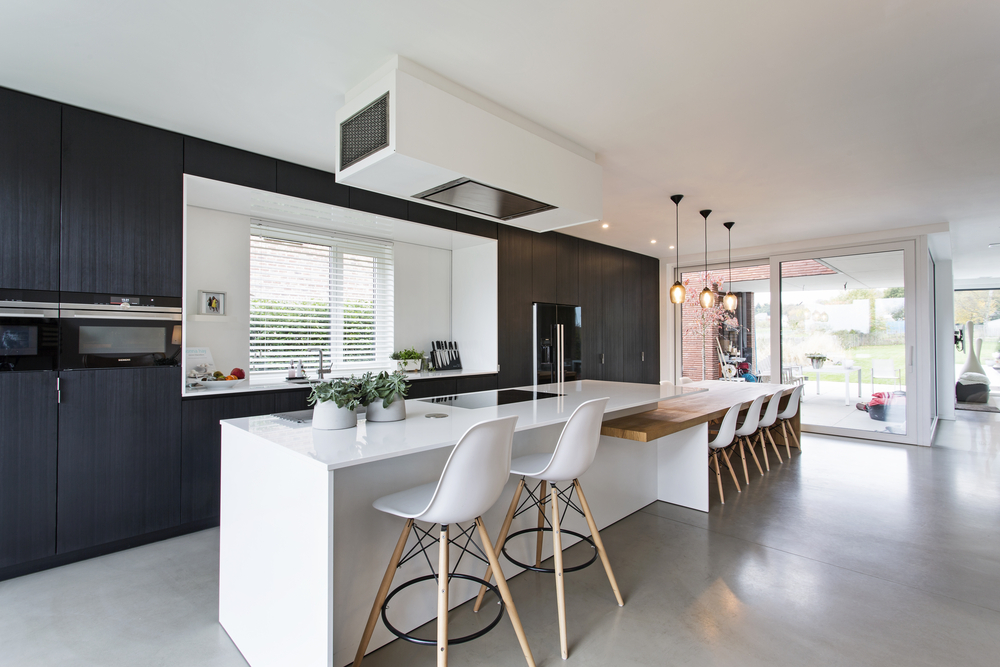
Having an attractive, spotless kitchen is a must-have for both potential buyers and home appraisers. Before replacing the entire set up in your cooking space, take into account its shape, position and then decide if you need to change anything about it - or even move it somewhere else!
Very often, kitchen renovations can be carried out for a modest investment. Small changes such as repainting or replacing unit doors or just the worktops can have a huge impact, as can new floor tiles or better lighting.
Give Your Garden a Makeover
Redesigning your garden can be a great way to not only increase the value of your home, but also make it more attractive to potential buyers. A well designed and tidy outdoor space is sure to add that extra flair – making it an eye-catching attraction!
Even if you do not makeover your garden, make sure you carry out at least the basics:
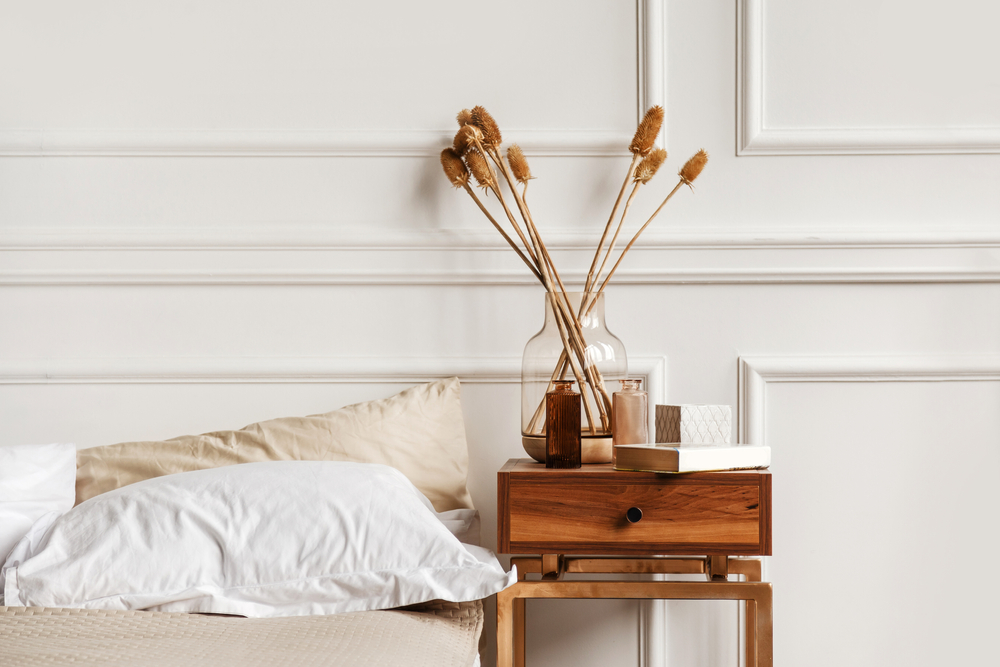
Indulge in the super trendy and inexpensive wall panelling interior design feature that we and the interior design lovers on Instagram can’t get enough of. From glamorous to modern, boho to minimalist – we’ve got a wide range of wall panelling ideas for bedrooms to give you the ultimate inspo.
Modern Pastel Bedroom Wall Panelling
Play around with pastels when decorating your bedroom with panelling to bring in a sense of fun and colour.
Dark Blue Half Wall Panelling
Wall panelling is a great feature to add contrast and depth into a bedroom space.
White Bedroom Wall Panelling
Pretty pastels and elegant creams are the perfect colour combinations to create a soft space that projects with feminine luxury. We love the mix of texture from the metallic lighting to the boho fabrics and soft furnishings that create a space of creativity and relaxation.
Pink And White Bedroom With Panelling
Don’t be afraid to add a pop of colour when panelling your walls in your bedroom.
Country Style Bedroom With Panel Walls
We love the contrast of the muted cream panelling against the light cream panel bed frame. This adds pattern and clean lines to the bedroom space that makes the wall space pop with character without the need of bright colours. The wood flooring furnished with a textile rug completes the space and adds that country living charm.
Real or engineered wood, is still going to be a favourite for the more minimalist or Scandi-style kitchens. Wood can be laid in a huge array of patterns to add simplicity or fun to any space. Patterns like herringbone and chevron work great with more classic homes, whereas long planks look effortless with more modern, open spaces.
Reclaimed Wood
The rise of softer tones reflecting the great outdoors is leading to an increased demand for more natural flooring choices offering a nicely rustic colour palette, such as reclaimed wood.
Whether it’s a dark, earthy brown Douglas Fir board or a sandy-coloured heritage oak, there is something to suit any kitchen style from modern to traditional. Not only does this provide a charming aesthetic, it allows homeowners to embrace natural materials whilst being environmentally conscious.
Patterned tiles
Patterned tiles are a fantastic way to project some fun, make a statement and add personality to your kitchen. And 2023 looks like it could turn out to be a riot, with every kind of pattern, from geometric shapes to colourful Mediterranean styles coming forward as favourites already.
Style-wise, tiles can be printed or embossed in numerous ways and solid floor tiles can be mixed and matched in patterns and colours.
As well as being easy to keep clean, patterned tiles are another obvious choice if you’re going for underfloor heating.
Vinyl
If you’re looking for a practical, hard-wearing and inexpensive kitchen flooring choice, you can’t go wrong with good old vinyl – and 2023 will see more choices coming onto the market as homeowners look for ways to achieve style on a budget.
If you want your vinyl kitchen flooring to look a million dollars, it’s a good idea to carefully select a style and colour that fits with your overall design palette, whether that’s monochromatic, tonal or a complementary combination.
Modern parquet
If you thought elegant parquet was an impractical choice for kitchens, think again. We expect to see more traditional flooring styles being chosen for kitchens in 2023, such as parquet flooring to add depth and character, whether to interiors schemes featuring cooler, desaturated shades or rich, deep colour styles coming forward as favourites already.
Although parquet flooring was seen as an expensive luxury during the Edwardian era and the 1930s, this is no longer the case. Thanks to technological advances, luxury vinyl tiles (LVT) can now enable you to replicate the intricate patterns of parquet flooring at a fraction of the cost, compared to its real counterpart.
Concrete-effect porcelain
Whilst low-maintenance polished concrete is still a highly-favoured choice for an authentic aged or industrial feel, it can be expensive and difficult to lay.
Concrete flooring is likely to become an even bigger trend as we move into 2023. Porcelain concrete-effect floor tiles are far more practical and easier to install than poured cement and come in a variety of sizes, styles, and colours move into 2023.
Buying a house, it is often claimed, is one of the most important decisions you ever make.
Buying a home is a decision which, thanks to the difficulty of getting on the housing ladder, more and more people are taking later in their lives. But buy the right house at the right time and the benefits in terms of long-term security could be incalculable.
Here at Eleanor Charles Homes the team has but together some of our top tips for anyone contemplating buying their first home. Much of the advice you will already know and is common sense and is still relevant to existing homeowners planning to move house in the not so distant future.
Check out possible areas where you can afford to buy.
Put together the main pieces in your property jigsaw – how much you can afford, how far from your place of work you are prepared to live, etc. – then track down areas which would enable you to complete the jigsaw to your satisfaction.
Try to pinpoint up-and-coming areas.
When you're looking at a property, the most important thing is knowing its history. You want to know how much traffic it gets and what projects are planned for improvement or replacement in the near future; if there's anything significant happening with regards regeneration then this will be an even better investment than one without any news on that front!
Ensure your finances are in order.
It is extraordinary how many people find their dream home and then phone their bank manager. Don’t make the same mistake. Unless you are buying without a mortgage, find a lender you trust and establish how much they are prepared to lend via a mortgage in principle. You also need to work out how big a deposit you need.
Look for properties where you can add value by improving or extending them.
There are many benefits to investing in property that can be extended as your family grows. Not only do you get a return on investment, but there is also tax relief for paying extra fees related with adding onto or renovating an existing home!There are plenty of reasons to invest in a property which can be expanded as your family grows. These include new build properties or those located in conservation areas with tough planning restrictions - but if you're looking for something that will last over time, consider buying an extended home ownership opportunity instead!
Why you should review your broadband when you move house
Moving house is a challenge, but also an opportunity. You have the challenge of packing up your life and transporting it to a new location. You also have the opportunity to get a better deal on your broadband and other utilities.
Why you should review your broadband contract when moving house
Broadband may be one of those expenses that you receive but don’t really notice. It's not as headline-grabbing as other things, such as water and power bill payments, however, this isn't something we should take lightly! Maintaining your digital life requires constant attention because everything from email accounts to online shopping can become unreliable without maintenance - which could mean missing out on important notifications or deadlines entirely if they're not restored quickly enough.
Without the headlines or attention in the news, broadband becomes the one outgoing that we tend to forget. We sign up to a deal, pay each month, and are rarely conscious of it.
The internet is always there and always in use but is now something we take for granted.
Moving home is the reminder we need to check what we’re paying, check available speeds and negotiate a much better deal.
Broadband and moving house
Arranging broadband when you’re moving house is relatively simple as long as you remember a few key things:
Don’t leave it to the last minute – Most providers require between 14-30 days’ notice for a move. The longer the better.
Check what’s available at your new address – Use a postcode checker to see what’s available at your new property. Then you can compare what you have now with what’s currently available.
Decide early on whether you want more speed or lower bills – Some households use the internet more than others. Generally, the more people in the property, the faster the broadband you need. It isn’t always the case though, so assess your needs before signing up.
Remember that ‘free’ gifts aren’t always free – Many providers use incentives to attract new customers. Make sure to check the prices of broadband deals with and without ‘free’ gifts as they are rarely free of charge.
Staying with your current provider
If your current broadband provider offers services at your new address, you can stay with them if you like.
This is useful if you’re still within the fixed period of your contract. The move can form part of the contract and your provider will simply switch your connection to your new address.
You can also negotiate a good deal on a new contract. Providers are keener than ever to retain customers so a deal could definitely be had.
Give the provider plenty of notice, book the installation for the day after moving day and everything should be fine.
If you’re thinking of moving, chances are you’ve pictured yourself in your new home in time for the end of the year. What better place to spend the festive season, and kick off 2023, than in your new pad.
Why is moving home taking so long at the moment?
From the time a home is marked sale agreed, it currently takes 150 days on average to reach that all-important completion day. But that’s 50 days longer than during the same period in 2019.
It’s taking longer for home-buyers to get into their new homes because there’s a backlog in the conveyancing process: the thing that happens between having an offer accepted, and getting the keys to your new home.
According to Right Move there are currently more than half a million homes sold subject to contract, with buyers eagerly awaiting completion. That’s 44% more than in 2019.
While there’s been a slight easing in buyer demand since last month, this isn’t going to be enough to ease the delays we’re currently seeing. With lots of people still wanting to move, estate agents are still looking for buyers who are likely to result in a sale going through as quickly as possible.
The home moving timeline
There are a number of plates you’ll have to spin when moving home, including the buying and selling of properties. Below, we’ve included a run-down of what’s involved and how long you can expect each phase to take. It’s worth bearing in mind that if you’re a first-time buyer, this process could take significantly shorter than those involved in a lengthy chain.
The oppressive temperatures of a heatwave can have far-reaching impacts, from risks to human health to destroying crops and increasing the risk of wildfires. In 2019, extreme heat is estimated to have caused the deaths of 356,000 people worldwide, according to one set of estimates, making it one of the most dangerous yet overlooked natural hazards. While there is still a great deal of uncertainty about toll that heatwaves take (the World Health Organization estimates 166,000 people died between 1998 and 2017, by comparison), there is little doubt that the number of people exposed to heatwaves around the world is increasing.
How do you stay cool in a heatwave?
It's crucial to stay cool in hot weather as it can have serious effects on your health. Fortunately, there are some simple steps you can take to find relief when the temperatures climb to uncomfortable levels.
You should also think twice before you open all the windows of your house to keep cool – if the temperature if higher outside than inside, you might lose a possible cool haven. Close the curtains in rooms where they face the sun instead.
One of the easiest ways to stay cool can be to take advantage of the temperature change in the air when water evaporates. Taking a cold shower or a swim can help you cool down quickly.
The human body's ideal temperature lies between 35.01C and 37.76C (95-99.9F), depending on how it is measured, although most medical experts accept an average of 36.8C (98.2F). When the surrounding air nears or exceeds this temperature, particularly when humidity is high, the body's ability to cool itself weakens.
How to stay hydrated in the heat
Keeping hydrated is a consistent public health message – for decades we've been urged by health authorities to consume as much as six to eight glasses worth of water a day, or 2-3 litres. But when temperatures rise, the need to keep fluids up is even more important.
Without a continual topping up of water (which makes up between 60% and 70% of our body weight) we start to dehydrate. The first reliable sign of dehydration is increasing thirst, when around 2% of body weight has been lost. Dehydration occurs more quickly with physical exertion or exercise. Even mild dehydration can cause fatigue and tiredness, and overheating as the body stops sweating to preserve water.
Many of us instinctively reach for a glass of water, but it may not always be the best option. Milk may, in some cases, be better, as it contains small amounts of salt and sugar which can be lost through sweating. Coconut water also contains vital elements lost through excess perspiration.
Moving into a new home, setting up a new kitchen? Check out our guide to what you'll actually use in the kitchen.
Chef's Knife
A good knife is a chef’s best friend. This is one of the few things that you’ll thank yourself for investing in. Carbon-plated stainless steel will stay sharp over time, but go to a specialty store to find the best match for you. Choose a knife that you feel comfortable handling. It should feel balanced in your hand, easy to hold and control, not too heavy, but definitely not flimsy. Believe us, you’ll be using it a lot, so take good care of it.
Metal Spatula
A sturdy metal (or high-quality plastic) spatula is vital for flipping, tossing, and serving all kinds of foods. Think eggs over easy, puffy pancakes, roasted veggies, sauteed meats, baked salmon…we could go on.
Whisk
Sturdy metal whisks come in all shapes and sizes. Choose a mid-sized whisk with a handle that fits comfortably in your hand. Use it to mix dry ingredients together before baking, stir eggs for a frittata or emulsify a vinaigrette.
Slotted Spoon
Whether it’s wooden or metal, a perforated (or slotted) spoon acts like a miniature strainer, removing solids from liquids—think pulling potatoes or small pasta noodles from boiling water.
Instant-read Thermometer
Easily (and quickly) check to see if your meats have cooked enough.
Saucepans
A large saucepan is essential for making pasta, boiling potatoes or corn, and simmering big batches of soups and broths. Look for a 5- or 6-quart size. A smaller saucepan (1.5 or 2.5 quarts) comes in handy for smaller items, like boiled eggs, rice and porridge.
Immersion Blender
This handheld tool makes it so easy to blend soups, smoothies, and pestos with the push of a button. I find much easier to handle than a traditional blender, and it’s great because it takes up much less space, too.
Colander
Wash fruits and drain pasta, veggies and other boiled foods. I like a colander that can balance on the edges of my sink, but a classic footed colander is just fine. Look for metal or ceramic, which are sturdier than plastic.
Prep Bowls
This might sound like a no brainer, but it’s important to have a variety of mixing bowls. Get ones that are metal or glass because they’re less porous than plastic. They won’t pick up stains or odours.
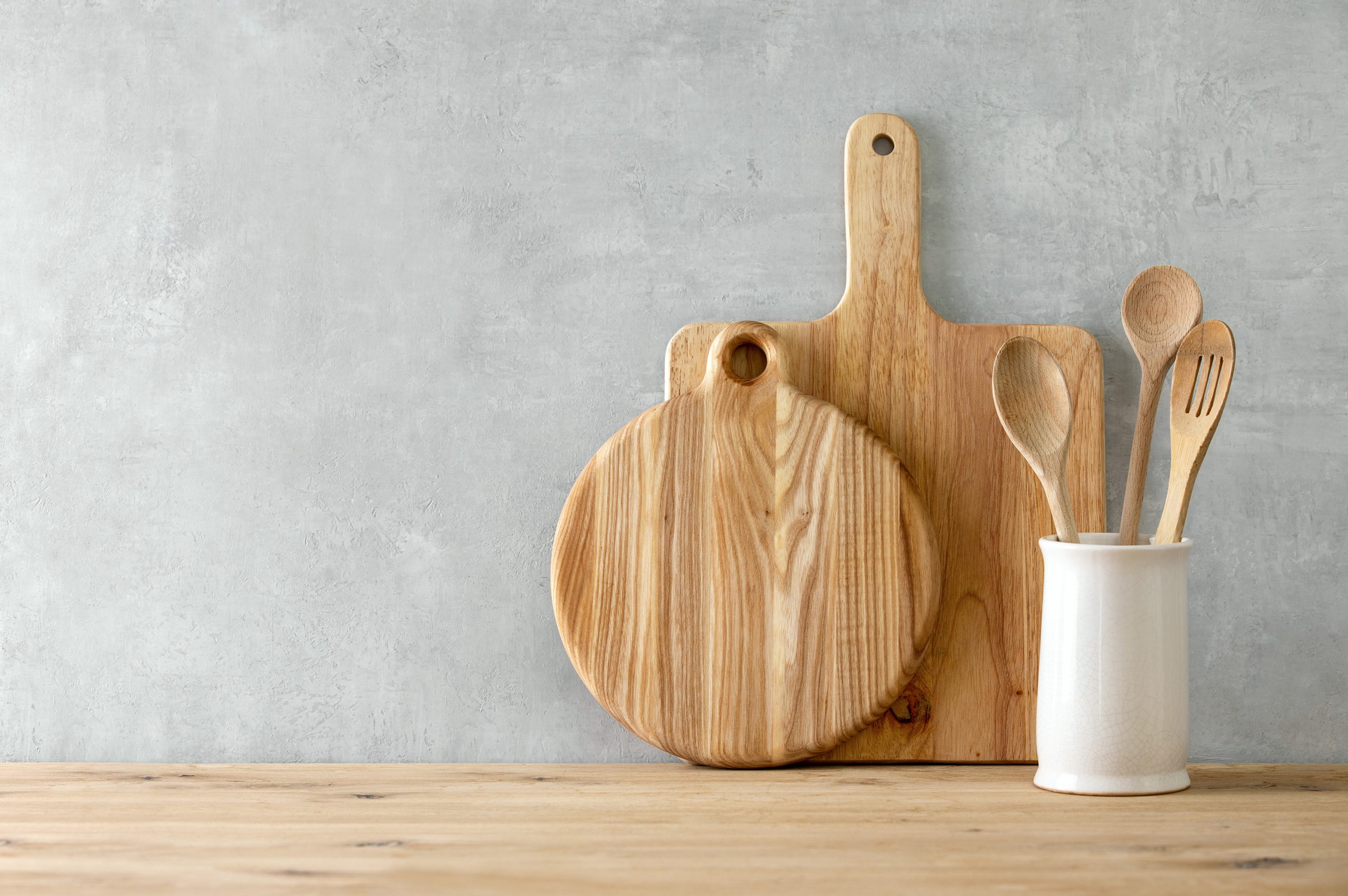
Cutting Board
A sturdy, stable surface is essential when it comes to prepping your food. A wooden cutting board will help protect your knife from dulling quickly, as well as make cleanup a breeze
You pay a mortgage and your payments go towards paying for your home, not into a landlord's pocket
If you pay £750 per month for rent, that’s a whopping 9K a year! You might as well just keep the money and not put it tIf you pay say £750 per month in rent, that’s £9,000 per year which you are spending that you will never get back. The money you’ve spent on rent will likely completely cover your landlord’s mortgage repayment figure, any insurances or management fees and leave them with a profit. This is especially true if they have an interest-only mortgage or have no outstanding loans on the home. If you are renting, and have enough money for a deposit and can afford the monthly repayments, it might be time to take the plunge and buy a home so the money goes towards your home, and not theirs!
You could make a profit when you sell if house prices rise
Homeownership is one of the most important financial decisions you'll make. When it comes time to sell your house, remember that its value may be higher than what was paid for in years past - this could mean more money at retirement or when trying purchase another property! Beware that fees apply when moving home, including stamp duty and legal and estate agent fees, so this will reduce your overall profit.
The home will be yours when you've finished paying off your mortgage
Your biggest win after years of saving and paying off your mortgage is fully owning a home without any outstanding payments. The advantage to this? An influx in extra cash that you can use for anything - like buying more things!
You may decide this is important to you for when you retire, so you have fewer outgoings and financial responsibilities. An average mortgage term is somewhere between 25 and 30 years, so if you will likely retire in 25 to 30 years time, you may want to get a mortgage as soon as possible.
You don't need anyone's permission tot have pets or redecorate
This might sound obvious, but your home is yours to do with as you please. You can decorate your home any way you wish. Want a giant tropical fish tank? Go for it. Thinking of painting your downstairs loo walls bright orange? Well, it’s your home. Been waiting forever to have a hot tub in your garden? Sounds fab. If you’ve been waiting until you own a home to get a dog or cat, you’ll be able to when you buy your own home. Be sure to check that the home is suitable and safe before you adopt though!
You won't be asked to move by your landlord
Yes, another obvious one, but if you own a home, it’s yours! You can live there for as long as you want as long as you continue to repay your mortgage, every month, on time. Every payment you make is a signal of responsible credit management, and can help improve your credit score.
You may be required to move if your home becomes subject to a compulsory purchase order. This would only occur in cases where the government or other body requires land for construction of critical infrastructure, such as new roads and train lines like HS2 - which is currently under consideration by British authorities!
Moving away from home for the first time can sometimes require you to make some adjustments to your lifestyle. One of the hardest but important hurdles of being a student is finding a balance between your academic and social life.
Being presented with this new found freedom can be very challenging, especially if you struggle with self-discipline. It can be quite tempting to use your time at university to focus on the ‘student’ experience, but cultivating some good work practices now will set you up for future success.
Benefits of Breakout & Communal Space within your Student Accommodation
It is important to set aside some relaxation time or short ten minute breaks when studying. Taking breaks and doing something completely different allows the brain time to absorb the information and reduces stress levels.
Modern student accommodation provides entertainment, communal and fitness facilities which allows students to manage time more effectively by having all amenities in one area. The ability to have the option of break out space to play pool with friends, or retreat to study is not one which requires a lot of time nor effort. The convenience of having such facilities can help students with their time management.
The Importance of a Dedicated Study Space
A study space minimises the stress of having to physically go to the library and find that perfect spot that isn’t too noisy, too quite or too crowded.
Having a dedicated study area prompts your brain to get in the zone. It’s vital for student to have a recognised space for the sole purpose of studying. This will minimise the time it takes them to focus and leave less room for distractions to occur. Having a separate environment for work allows the brain to associate and identify that room with studying.
University is an experience like no other, and the key to enjoying every aspect of student life is finding a happy medium between your social and academic life. Focusing on one while alienating the other isn’t advisable for anyone. The last thing you want to do is allow one to negatively affect the other. If you manage to attain a nice balance between the two you’ll get the opportunity to enjoy student life and all it has to offer.
Student Accommodation providers are increasingly trying to develop and enhance their work play environments, providing greater balancing options for their students.
First Time BuyersHayman's CornerMoving HouseNew HomeNew HouseStudentsTips for moving houseEfficient movingHayman's CornerMansfield WoodhouseNew development in NottinghamNew HousesPropertyStudent AccommodationStudentsTips & Tricks to Moving House