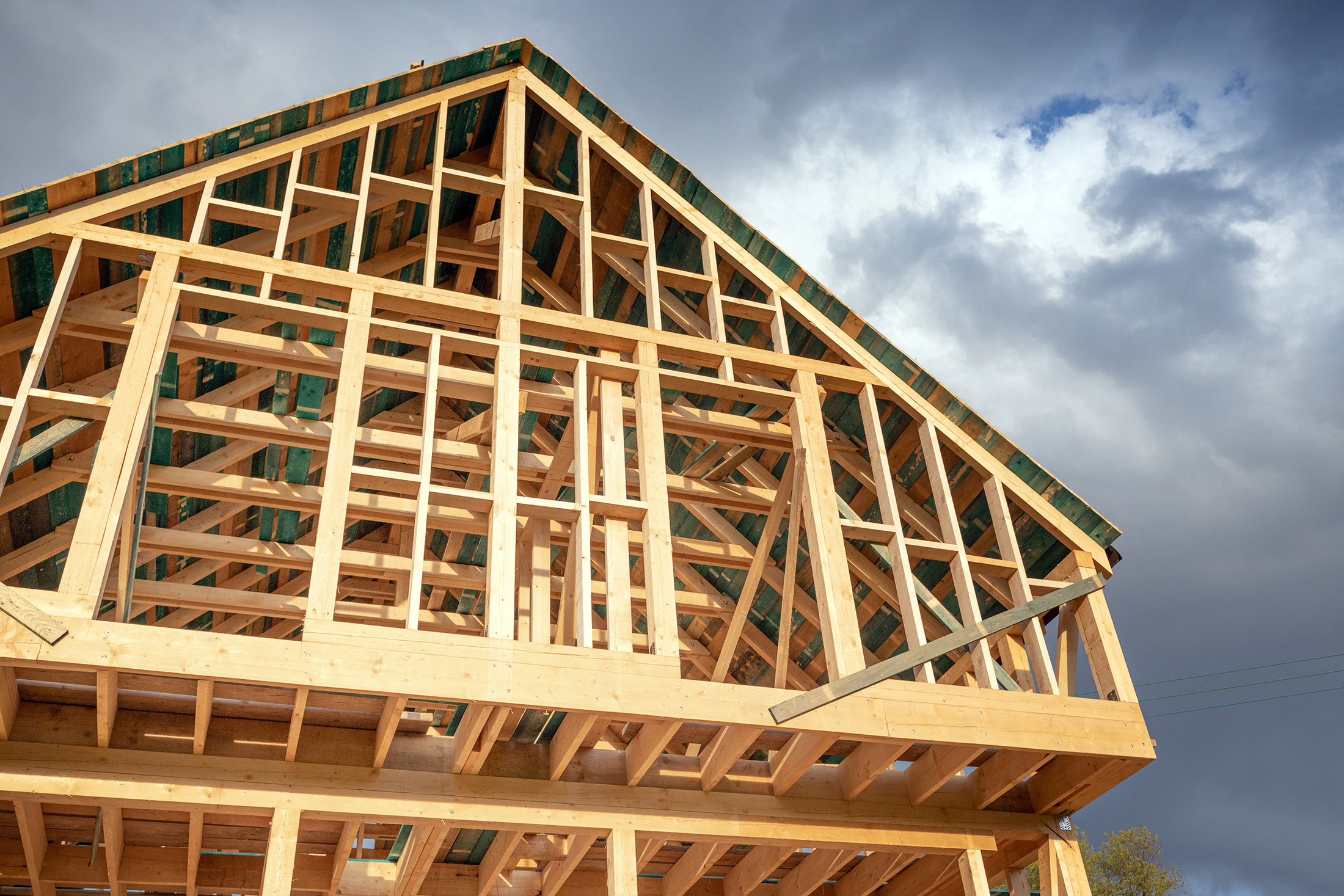
If you're looking around new build developments, there's a good chance you'll come across the phrase timber frame. It's become much more common over the last few years, but unless you've worked in construction, it's not always obvious what it means.
Some people hear the word "timber" and picture an old wooden cottage. Modern timber frame homes are something completely different.
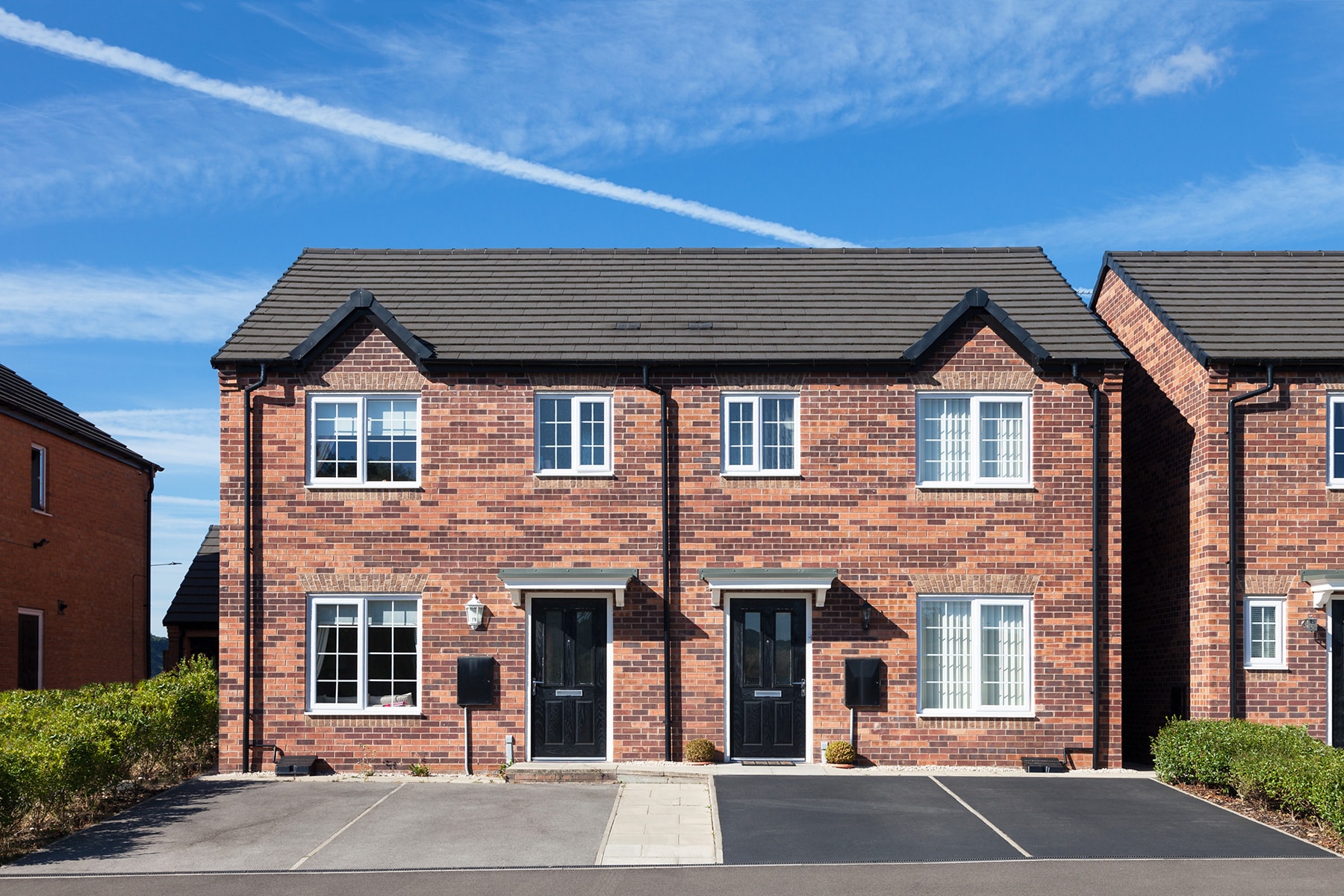
The timber frame forms the structure of the house, but once the home is finished you wouldn't know whether it had been built using timber or another construction method. From the outside, it can look exactly like any other brick-built home.
So why has timber frame become so popular?
One reason is the way it's built. Much of the framework is manufactured before it ever reaches the site. Instead of building everything from scratch outdoors, large sections are delivered ready to be assembled.
That doesn't just speed things up. It also means much of the work is carried out in a controlled environment before the house starts taking shape.
For homeowners, though, the biggest difference isn't how it's built. It's how the finished home performs.
A well-built timber frame home is designed to hold onto heat, making it comfortable all year round. Better insulation and good airtightness mean less warmth escapes, which can help reduce the amount of energy needed to keep your home comfortable.
Of course, no two homes are exactly the same, but energy efficiency has become a much bigger consideration than it was even ten years ago. Modern construction methods have evolved alongside that.
Another advantage is flexibility.
Timber frame doesn't limit how a home looks or feels. In fact, it offers a huge amount of flexibility.
Whether it's a traditional family home or a contemporary design, the structural system sits behind the finished exterior. Brick, stone, render or cladding can all be used to create the appearance you want while benefiting from the strength and efficiency of the timber frame beneath.
It's also worth remembering that timber is a renewable building material when it's sourced responsibly. Combined with modern manufacturing techniques, it's one of the reasons timber frame continues to grow in popularity across the UK.
Most homeowners probably won't spend much time thinking about what sits behind the plasterboard once they've moved in. What they do notice is a home that feels warm, solid and comfortable to live in.
Built for modern living
Today's homeowners expect more from their homes than ever before. Comfort, energy efficiency and quality all play an important part in everyday life.
Timber frame construction helps bring those things together. Faster construction, excellent insulation and precise manufacturing all contribute to homes that are built to perform well for years to come.
Property chains: The problems & how to avoid them...
In the UK, property chains are part and parcel of most house sales. Unless you’re dealing with a cash buyer or a first-time buyer, there’s usually another sale that needs to happen before yours can go through. That’s where things can get tricky. Delays, fall-throughs, and added costs are all too common when chains get tangled. So, what can you do to steer clear of these issues and help your sale move forward without a hitch?
Why Property Chains Fall Apart (and What You Can Do About It)
If you’ve ever tried to buy or sell a house, you know how frustrating property chains can be. One person pulls out, and the whole thing unravels. So, what usually goes wrong?
Mortgages fall through — Lenders are stricter now, and some buyers just don’t get approved.
Surveys raise red flags — Big repair issues can scare buyers off if the seller won’t budge on price.
Gazumping happens — A seller takes a higher offer after already accepting yours. It’s legal, but brutal.
Someone gets cold feet — Maybe the buyer finds another house. Maybe the seller decides not to move after all.
Life stuff gets in the way — Illness, breakups, job losses... sometimes things just change, and plans fall apart.
Ways to Avoid the Drama
Go with a chain-free buyer if you’re selling—cash buyers or first-time buyers are usually safer bets.
Sell first and rent for a bit. It’s not ideal, but it makes you more flexible.
Focus your search on homes with no upward chain—vacant homes or probate properties are good options.
Buying new? New-builds often come with part-exchange offers so you can avoid a chain altogether.
Always agree on a moving date early to keep things on track.
And if you’re buying, get your mortgage sorted before making offers—don’t assume approval is a sure thing.
If the Chain Breaks Anyway...
It happens. If your buyer’s still on board, maybe rent for a while and keep house-hunting. Can’t borrow as much as you thought? Make a lower offer—some sellers will say yes just to keep the sale moving.
Buying a HouseHouse Buying ProcessMoving HouseUncategorised
First-time buyers rush to beat stamp duty deadline
In the Autumn Budget, Chancellor Rachel Reeves announced changes to stamp duty rates for home-movers and landlords in England, effective from April next year.
Since September 2022, buyers of properties priced up to £250,000 have been exempt from paying stamp duty. However, this exemption will end in April, reverting to the previous threshold where stamp duty is applicable on properties priced above £125,000.
First-time buyers have also benefited from higher thresholds since 2022, with no stamp duty payable on homes costing up to £425,000. For properties priced above £425,000, they currently pay a 5% rate on amounts up to £625,000. However, if the property exceeds £625,000, the first-time buyers' relief does not apply. From April, this threshold will revert to £300,000.
Buyers rush to beat the deadline
There are already indications that first-time buyers in more expensive areas are accelerating their plans to avoid the April 2025 stamp duty changes.
“With stamp duty thresholds in England set to decrease from April, we’re noticing early signs of first-time buyers reacting. In London and other high-priced regions, where the impact will be felt most, some buyers are bringing forward their plans to sidestep higher charges.”
“In contrast, in many other parts of England, where more properties remain stamp duty-free for first-time buyers, we’re seeing a different trend. Some buyers are taking a step back following the Autumn Budget, which offered no additional support. However, the recent and long-anticipated second Bank Rate cut is a positive development. It should help improve affordability and boost confidence among buyers throughout 2025,” he adds.
Where will the stamp duty changes impact first-time buyers most?
First-time buyers in higher-priced areas of England are set to be more affected. In London, only 8% of homes for sale will be stamp-duty free for first-time buyers from April. It’s 24% in the South East, and 32% in the East of England.
These areas have seen an uptick in first-time buyer demand since the Budget, suggesting some first-time buyers are rushing to avoid paying higher charges. Before the Autumn Budget, first-time buyer demand in London was 28% ahead of last year – now, it is +31% ahead.
In the East of England, the trend has moved from +28%, to +32% ahead of the same period last year since the Budget, and in the South East, first-time buyer demand has ticked up from 23% ahead of last year pre-Budget, to 24% ahead post-Budget.
The upward trend compares with most other areas of England that have seen a decline in demand since the Budget, except for the North East.
Rising stamp duty charges are likely to have less impact in areas where there is already a wide availability of homes below the £300,000 threshold. More widely, there was little market support announced in the Budget to help first-time buyers, which could be contributing to some pulling back.
How long is it taking to buy a home?
It currently takes an average of 5 months (151 days) to complete a property transaction across Great Britain. This means that first-time buyers hoping to find their next home and complete before the stamp duty deadline in April 2025, need to act quickly and hope to beat the average length of time to complete a home purchase.
How much is stamp duty?
The amount of stamp duty tax you will need to pay depends on a wide range of factors, including how much you pay for the property, the location of the property, whether you’re a UK resident, and whether you’re a first-time buyer. It also depends on whether you’re buying a main home, a holiday home or an investment property.